The Ultimate Guide to Selecting and Maintaining Commercial Soap Dispensers
Hygiene in public and shared commercial environments has moved from a routine facility requirement to a central operational priority. Whether managing a high-traffic airport terminal, a corporate office tower, a fine dining restaurant, or a healthcare facility, the commercial soap dispenser plays an essential role in preserving health standards and projecting professionalism. Handwashing remains the primary defense against healthcare-associated infections and communal virus transmission. Choosing the correct dispensing system directly influences facility cleaning protocols, supply costs, long-term maintenance budgets, and visitor satisfaction. Modern commercial dispensing units do far more than store liquid soap; they optimize dosing volume, lower plastic waste, streamline restocking workflows, and elevate overall restroom design aesthetics.
Key Types of Commercial Soap Dispensers
Navigating the market requires understanding the distinct operating mechanisms available for public facilities:
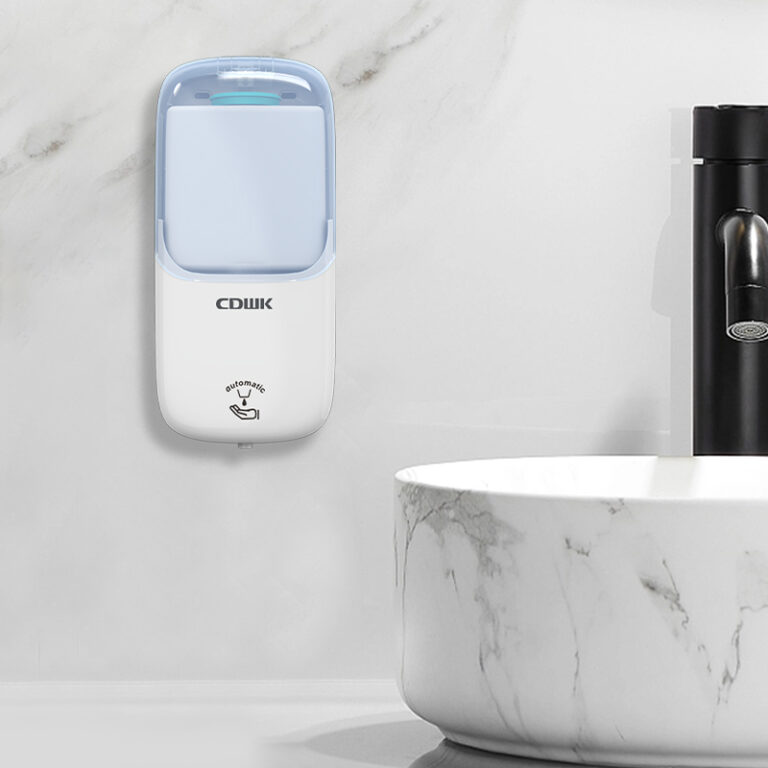
- Automatic Touchless Dispensers: Utilizing infrared sensor technology, touchless systems dispense a pre-measured dose of soap without physical contact. These units maximize hand hygiene by eliminating high-touch surface contamination points. They operate on long-life battery setups or hardwired AC power connections, making them highly desirable for modern, hygienic facilities.
- Manual Wall-Mounted Push Dispensers: The standard workhorse of public facilities, manual push-button or push-bar units rely on mechanical force. They feature high structural durability, simple mechanical internals, and zero dependency on batteries or electrical wiring. These are ideal for budget-conscious installations or environments where routine maintenance checks are infrequent.
- Counter-Mounted Deck Dispensers: Designed for integrated visual appeal, counter-mounted units hide their reservoir tanks beneath the sink deck while exposing only an elegant spout above the counter. They are popular in premium commercial spaces, hotel lobbies, and upscale corporate washrooms.
- Bulk Refill Dispensers: Bulk units feature internal reservoirs that maintenance personnel fill directly from large soap jugs. They offer low liquid purchasing costs and maximum flexibility in soap brand selection.
- Sealed Cartridge Dispensers: These systems use factory-sealed, single-use soap refills equipped with fresh, built-in nozzle valves. Every cartridge replacement guarantees a factory-sanitized fluid path, virtually eliminating bacteria buildup inside the unit.
Primary Benefits of Upgrading Commercial Soap Dispenser Systems
Upgrading legacy restroom hardware yields immediate operational and financial returns:
- Enhanced Hygiene and Germ Reduction: Touch-free automated units eliminate hand contact, significantly lowering cross-contamination risks among employees and visitors.
- Significant Cost Savings and Waste Reduction: Precision dosing pumps deliver an exact volume of soap (typically 0.4 ml to 0.8 ml per actuation). This prevents waste caused by excessive manual pumping, cutting overall chemical consumption by up to thirty percent.
- Lower Maintenance Overheads: Modern high-capacity commercial units hold anywhere from 800 ml to over 1500 ml per fill. Larger capacities reduce refill frequencies, allowing janitorial teams to focus on other critical sanitation tasks.
- Improved Facility Aesthetics and Reputation: Sleek, consistent hardware conveys attention to detail and clean standards. Studies show that patrons frequently gauge a commercial establishment’s overall quality based on the cleanliness and condition of its washrooms.
Crucial Factors to Consider Before Purchasing
Selecting the ideal equipment involves evaluating physical traffic patterns, structural limitations, and long-term operating costs:
- Restroom Visitor Traffic Volume: High-density venues like stadiums or shopping malls require heavy-duty, tamper-resistant bulk systems with high-capacity tanks. Lower-traffic office suites can prioritize aesthetic finish over pure volume capacity.
- Soap Formulation Compatibility: Units are calibrated specifically for liquid, foam, or gel soaps. Gel and heavy sanitizer formulas require reinforced pump valves, while foam systems use specialized aerating mesh chambers. Ensure your chosen hardware matches your preferred chemical supplier.
- Material and Construction Quality: High-grade ABS plastic provides cost-effective durability, while high-grade stainless steel offers vandal-resistant strength, rust protection, and an elevated professional finish.
- Power Source Requirements: For sensor-based touchless models, evaluate battery longevity or the feasibility of running direct AC power lines during installation.
- ADA Compliance and Accessibility: Dispensers must comply with physical reach ranges, mounting height requirements, and simple one-handed operation criteria mandated by accessibility codes.
Effective Maintenance and Troubleshooting Practices
Proper maintenance ensures operational longevity and prevents common failures like clogging or pump leakage:
- Routine Reservoir Cleaning: Flush bulk reservoirs with warm water every few months to clear hardened soap residue and prevent internal buildup.
- Sensor Lens Care: Wiping down infrared sensors with a soft microfiber cloth prevents soap splatters or dust from causing misfires or continuous battery drain.
- Valve Inspection: Periodically check silicone dispensing valves for stiffness or wear to prevent minor leaks on counter surfaces.
- Proper Restocking Protocols: Train staff to avoid overfilling bulk reservoirs, which can create pressure imbalances or spill liquid into electronic battery compartments.