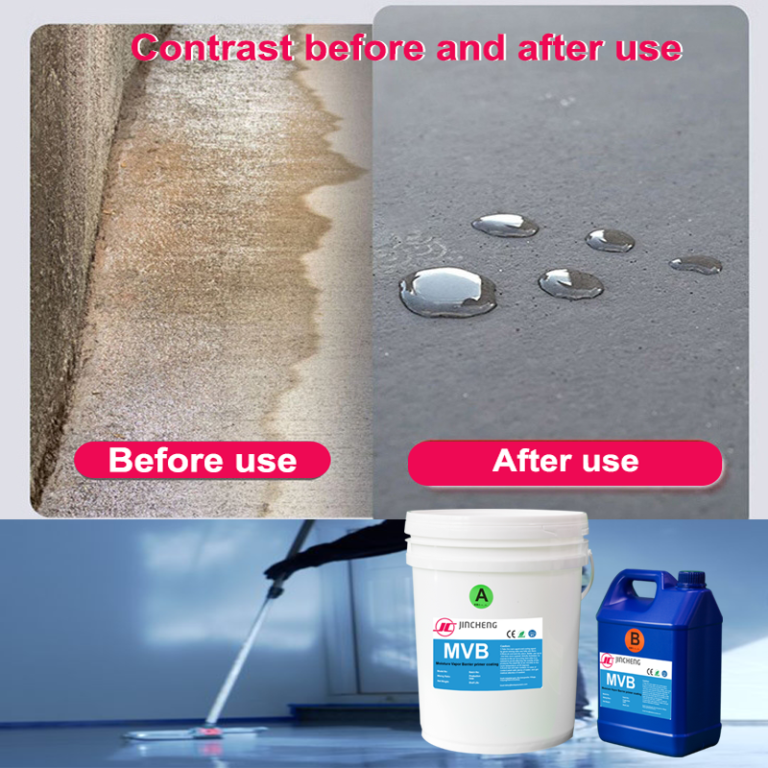
Moisture Vapor Barrier Epoxy: A Complete Guide for Concrete Floors
Concrete floors are strong, but they are not completely waterproof. Moisture can move through concrete from the soil below or remain inside the slab after installation. When a flooring system is placed over a damp slab, moisture can create serious coating problems.
A moisture vapor barrier epoxy can help manage moisture vapor before an epoxy flooring system is installed. It is commonly used when concrete moisture may affect coating adhesion or long-term performance. Choosing the correct product and preparing the surface properly are essential.
This guide explains what a moisture vapor barrier epoxy is, how it works, where it is used, and how to choose the right system.
What Is Moisture Vapor Barrier Epoxy?
A moisture vapor barrier epoxy is a specialized coating or primer designed to help control moisture vapor moving through a concrete slab.
Concrete contains small pores that allow moisture to travel through the material. When moisture reaches an epoxy coating, it can create pressure between the concrete and coating.
Depending on the flooring system and moisture conditions, this can contribute to blistering, bubbling, peeling, or loss of adhesion.
A moisture-control epoxy is designed to reduce these risks when used within its specified limits. It may be installed as part of a complete flooring system before the main epoxy layers are applied.
Why Does Moisture Move Through Concrete?
Moisture can enter or remain in concrete for several reasons. Newly placed concrete contains water used during the mixing and curing process. This moisture gradually leaves the slab as it dries.
Ground-supported concrete can also be affected by moisture in the soil underneath. Groundwater, poor drainage, and missing or ineffective vapor-retarding layers can contribute to moisture movement.
Temperature and humidity can also affect how quickly moisture moves through a slab.
Because concrete can appear dry while containing moisture below the surface, visual inspection alone is not enough for many flooring projects.
Why Moisture Is a Problem for Epoxy Floors
Epoxy flooring needs a suitable substrate to achieve strong adhesion. Excessive moisture can interfere with the bond between the concrete and coating.
Moisture-related problems may include bubbling, blistering, whitening, peeling, discoloration, and premature coating failure.
The severity of the problem depends on several factors. These include moisture levels, vapor movement, concrete condition, coating type, installation quality, and environmental conditions.
For this reason, moisture should be considered before installing an epoxy flooring system rather than after problems appear.
How Moisture Vapor Barriers Work
A moisture vapor barrier epoxy creates a protective layer over the prepared concrete surface. Its purpose is to help control moisture vapor moving toward the flooring system.
The exact method depends on the product. Some systems are designed as moisture-control primers, while others form thicker barrier layers.
A moisture barrier should not automatically be considered a solution for every water problem. Active leaks, standing water, hydrostatic pressure, or serious drainage issues may require separate corrective measures.
Always check the manufacturer’s technical information to understand the product’s limitations.
Benefits of Moisture Vapor Barrier Epoxy
Using a suitable moisture-control system can provide several advantages.
Helps Protect Epoxy Flooring
Controlling moisture vapor can help create better conditions for the installation of an epoxy floor.
Supports Better Adhesion
A properly selected and installed moisture barrier can help reduce moisture-related adhesion problems.
Reduces Risk of Coating Failure
Excess moisture can contribute to blistering and peeling. A suitable moisture-control system can help manage this risk within its specified application limits.
Supports Long-Term Performance
Proper moisture management is one part of building a durable flooring system. Surface preparation and correct installation remain equally important.
Where Is Moisture Barrier Epoxy Used?
Moisture-control epoxy systems can be considered for many concrete flooring environments.
Warehouses and factories may use them when concrete moisture could affect a planned industrial coating system. Commercial buildings may require moisture management before installing decorative or protective flooring.
Garages and basements can also experience moisture concerns. Ground-supported slabs in these areas should be evaluated before coating.
Other applications may include workshops, retail spaces, storage areas, and institutional buildings.
The correct system depends on the moisture condition and the performance requirements of each location.
How to Test Concrete for Moisture
Moisture testing is an important part of flooring preparation. It helps determine whether the slab is suitable for the planned coating.
Professional flooring teams may use relative humidity testing, calcium chloride testing, or other recognized methods.
The testing method should match the flooring manufacturer’s requirements and applicable industry practices.
Test results should then be compared with the moisture limits specified for the coating system.
If moisture levels are outside the product’s approved range, additional moisture-control measures may be necessary before coating.
Preparing the Concrete Surface
Good surface preparation is critical for successful epoxy installation.
The concrete should be clean, sound, and free from contaminants. Oil, grease, dust, loose particles, old coatings, and other materials can interfere with adhesion.
Mechanical preparation methods may include grinding or shot blasting. The appropriate method depends on the condition of the concrete and the coating system.
Cracks and damaged areas should be inspected and repaired when necessary.
The prepared surface should meet the manufacturer’s requirements before the moisture vapor barrier epoxy is applied.
How to Apply Moisture Vapor Barrier Epoxy
Application procedures vary between products. Always follow the manufacturer’s instructions instead of relying on a general application method.
The process usually begins with inspection and moisture testing. After preparation, the moisture-control product is mixed according to the specified ratio.
It may then be applied using a roller, squeegee, or other recommended equipment. Application thickness is important because applying too little or too much material can affect performance.
Some systems require a single coat, while others may require multiple coats.
Temperature, humidity, and ventilation should also be controlled during installation. The barrier must cure properly before subsequent flooring layers are installed.
How to Choose the Right Product
Not every epoxy product is designed to control moisture vapor. Check the technical data sheet before making a purchase.
Important information may include acceptable moisture levels, recommended substrate conditions, application thickness, curing time, coverage rate, and compatibility with other coatings.
Consider the type of floor as well. A small residential garage may have different requirements from a manufacturing facility.
For demanding projects, professional flooring advice can help identify the appropriate moisture-control system.
Common Installation Mistakes
Skipping moisture testing is one of the most common mistakes. A floor may look dry but still contain excessive moisture.
Poor surface preparation can also reduce adhesion. Applying epoxy over oil, grease, dust, weak concrete, or an incompatible old coating can create problems.
Other mistakes include incorrect mixing, applying the wrong thickness, ignoring temperature requirements, and recoating before the previous layer has properly cured.
Using a moisture barrier outside its approved moisture limits can also result in flooring failure.
Maintenance After Installation
Proper maintenance can help extend the service life of an epoxy flooring system.
Regular sweeping removes abrasive dirt that can gradually wear the surface. Suitable cleaning products should be used according to the flooring manufacturer’s recommendations.
Avoid harsh chemicals unless the coating is designed to tolerate them.
Inspect the floor periodically for cracks, bubbling, peeling, or unusual discoloration. If moisture-related damage develops, investigate the underlying cause before applying a new coating.
Frequently Asked Questions
What is moisture vapor barrier epoxy?
It is an epoxy-based moisture-control coating or primer designed to help manage moisture vapor moving through concrete.
Is moisture testing necessary before epoxy flooring?
Testing is strongly recommended when moisture could affect the flooring system. The appropriate testing method depends on the project and manufacturer’s requirements.
Can a moisture barrier stop water leaks?
Not necessarily. A moisture vapor barrier is designed to manage vapor transmission. Active leaks and hydrostatic pressure may require separate solutions.
Can moisture vapor barrier epoxy be used on old concrete?
Yes, it may be suitable for old concrete when the substrate is properly evaluated and prepared and the product is approved for the application.
Does every epoxy floor need a moisture barrier?
No. The need depends on the concrete’s moisture condition and the requirements of the selected flooring system.
Can moisture barrier epoxy be applied without professional help?
Some products may be suitable for experienced installers. However, commercial and industrial projects often benefit from professional testing, preparation, and installation.
Final Thoughts
A moisture vapor barrier epoxy can be an important component of an epoxy flooring system when moisture is a concern. It helps manage vapor moving through concrete and can support better flooring performance when properly selected and installed.
The product alone is not enough. Moisture testing, surface preparation, correct application, curing conditions, and product compatibility all play important roles.
Before starting a project, identify the source and level of moisture. Then choose a system that matches the concrete conditions and follow the manufacturer’s technical instructions carefully. This approach can help create a more durable, attractive, and reliable epoxy floor.