Elevator Manufacturer: Choosing the Right Partner for Safe and Reliable Vertical Transportation
Elevators are an important part of modern buildings. They help people and goods move quickly between floors while improving convenience and accessibility. From residential towers and hotels to hospitals, shopping centers, offices, and industrial facilities, elevators are now an essential part of many construction projects. Choosing the right elevator manufacturer is therefore an important decision for building owners, contractors, architects, and developers.
A reliable manufacturer does more than supply an elevator. The company should provide suitable designs, quality components, professional installation, safety systems, testing, and after-sales support. A good elevator can provide smooth operation and dependable performance for many years when it is properly designed and maintained.
What Is an Elevator Manufacturer?
An elevator manufacturer is a company that designs, produces, assembles, or supplies elevator systems and their components. Manufacturers may offer complete elevator solutions or specialize in particular types of equipment and parts.
A professional elevator manufacturer usually works with architects, engineers, contractors, and building owners to understand project requirements. Factors such as building height, passenger capacity, traffic levels, available space, energy requirements, and local regulations can influence elevator selection.
Manufacturers may provide passenger elevators, freight elevators, hospital elevators, panoramic elevators, home elevators, and other specialized systems. Their products can also include controllers, doors, traction machines, cabins, guide rails, safety devices, and control panels.
Types of Elevators Offered by Manufacturers
Different buildings require different elevator solutions. A reputable manufacturer should have several options available to meet different applications.
Common types include:
- Passenger elevators for offices, hotels, and residential buildings
- Freight elevators for transporting heavy materials and equipment
- Home elevators for private residences and luxury properties
- Hospital elevators designed for beds, medical equipment, and staff
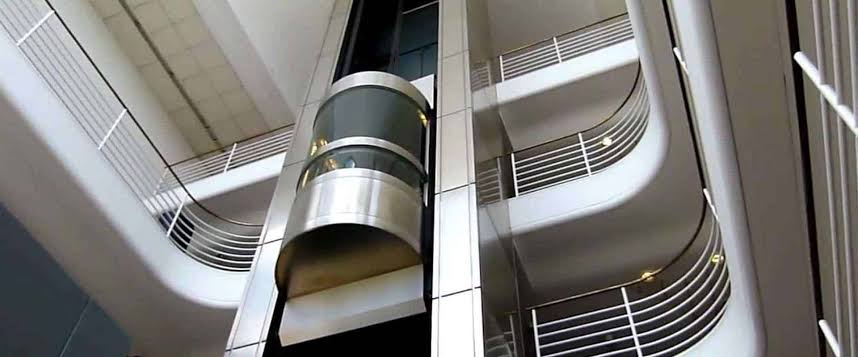
- Panoramic elevators that provide attractive glass viewing areas
- Hydraulic elevators for specific low- and mid-rise applications
- Machine-room-less elevators for buildings with limited space
- Service elevators for commercial and industrial facilities
Selecting the right type depends on the building’s purpose, traffic requirements, available installation space, and expected load.
Why Manufacturer Quality Matters
Elevators operate frequently and carry people or valuable goods. Poor-quality components can cause operational problems, unexpected downtime, and expensive repairs. For this reason, manufacturer quality should be a major consideration during the purchasing process.
A dependable elevator manufacturer focuses on engineering, material quality, production standards, and safety. Quality manufacturing can help improve elevator performance and reduce the risk of premature component failure.
Manufacturers with strong quality-control procedures also test important components before products reach the customer. This can help ensure that the elevator operates smoothly after installation.
Important Safety Features
Safety is one of the most important aspects of elevator design. Modern elevator systems include several safety features designed to protect passengers and equipment.
Depending on the elevator model, these may include emergency brakes, door sensors, overload protection, emergency lighting, alarm systems, backup power, speed governors, and automatic rescue devices.
Elevator manufacturers should design their products according to applicable safety requirements and industry standards. Building owners should also ensure that elevators receive regular inspection and maintenance after installation.
Energy-Efficient Elevator Technology
Energy efficiency has become increasingly important in modern construction. Building owners want systems that provide reliable performance while helping reduce operating costs.
Modern elevators can include energy-efficient motors, LED lighting, regenerative drive systems, standby controls, and efficient controllers. Machine-room-less designs can also help save valuable building space.
An experienced elevator manufacturer can recommend technologies based on the building’s usage pattern. For example, a busy commercial building may benefit from advanced control systems that manage elevator traffic efficiently.
Custom Elevator Solutions
Not every building can use a standard elevator design. Some projects have unusual dimensions, architectural requirements, or specialized transportation needs. In these situations, customization can be valuable.
Manufacturers may customize cabin dimensions, finishes, doors, control panels, lighting, capacity, and other features. Luxury buildings may require premium interiors, while industrial facilities may need reinforced cabins and heavy-duty components.
Custom solutions allow developers and architects to balance functionality, appearance, safety, and available space.
Choosing an Elevator Manufacturer
Choosing a manufacturer should involve more than comparing prices. A lower initial price may not always represent the best long-term value.
Consider the following factors:
- Product quality and reliability
- Manufacturing experience
- Available elevator models
- Safety features
- Certifications and compliance
- Installation capabilities
- Warranty terms
- Spare-parts availability
- Maintenance services
- Customer support
- Project references
- Total ownership cost
It is also useful to ask manufacturers about previous projects. A company with experience in similar buildings may better understand the technical challenges involved.
Installation and Commissioning Services
Professional installation is essential for safe and reliable elevator operation. Even a high-quality elevator can experience problems if it is installed incorrectly.
A professional manufacturer or authorized installation team should carefully follow engineering specifications during installation. The process may include installing guide rails, doors, cabins, motors, controllers, wiring, safety equipment, and communication systems.
After installation, the elevator should undergo testing and commissioning. This helps confirm that the equipment performs correctly before being placed into regular service.
Maintenance and After-Sales Support
Elevator ownership does not end after installation. Regular maintenance helps keep the system operating safely and efficiently.
A good elevator manufacturer or service provider can offer maintenance programs, inspections, repairs, replacement parts, and technical support. Preventive maintenance can identify worn components before they cause major failures.
Fast access to genuine spare parts is also important. Delays in obtaining critical components can increase elevator downtime and inconvenience building occupants.
The Role of Technology in Modern Elevators
Technology continues to improve elevator systems. Smart controllers, remote monitoring, destination control, touchless interfaces, and connected maintenance systems are becoming increasingly common.
Remote monitoring can provide information about elevator performance and potential faults. Maintenance teams can use this information to identify problems and schedule service more efficiently.
Some advanced systems can also collect operational data. This information can help building managers understand traffic patterns and improve elevator efficiency.
Elevator Manufacturer and Project Cost
The cost of an elevator depends on several factors. These can include elevator type, capacity, travel distance, building design, cabin materials, technology, installation requirements, and customization.
It is important to consider the total cost rather than focusing only on the purchase price. Energy consumption, maintenance, replacement parts, downtime, and expected service life can significantly affect long-term expenses.
A quality elevator may have a higher initial cost but provide better reliability and lower operating expenses over its lifetime.
Conclusion
Selecting the right elevator manufacturer is an important step in any building project. A dependable manufacturer can provide quality equipment, modern technology, safety features, professional installation, and ongoing support. These factors can make a major difference in elevator performance and long-term operating costs.
Before making a decision, building owners and contractors should compare manufacturers based on experience, product quality, safety, customization options, maintenance support, warranty coverage, and total ownership costs. Working with a reliable manufacturer can help ensure that the elevator meets the building’s needs while providing safe, comfortable, and efficient transportation for years to come.