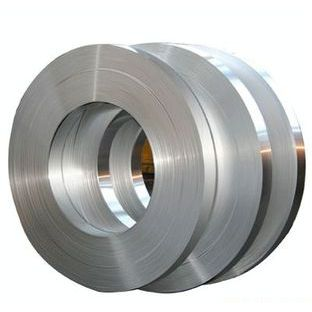
Medical Stamping: A Complete Guide
Medical stamping is an important process used in healthcare, medical manufacturing, pharmaceutical production, and related industries. It involves shaping, marking, cutting, or forming materials with specialized stamping equipment to create precise medical components. Because medical products often require exceptional accuracy, cleanliness, durability, and consistency, medical stamping must follow strict manufacturing standards.
From surgical instruments and medical device components to pharmaceutical packaging, stamping technology plays an important role in producing reliable healthcare products. Modern stamping methods can help manufacturers produce large quantities of components while maintaining consistent dimensions and quality.
What Is Medical Stamping?
Medical stamping is a manufacturing process in which specialized machinery and dies are used to shape or cut materials into specific forms required for medical applications. The process commonly uses materials such as stainless steel, titanium, aluminum, and other medical-grade metals.
Depending on the application, medical stamping may involve several operations, including:
- Cutting and blanking
- Bending
- Forming
- Punching
- Drawing
- Embossing
- Coining
- Precision shaping
The primary objective is to manufacture components that meet exact design specifications. Even a small dimensional variation can affect the performance of certain medical devices, so precision is a key consideration throughout the process.
Why Is Medical Stamping Important?
The medical industry requires components that are accurate, dependable, and suitable for demanding applications. Medical stamping helps manufacturers achieve these requirements through repeatable and controlled production processes.
One of the major advantages of stamping is its ability to produce large numbers of components with consistent dimensions. This can be particularly useful for manufacturers producing disposable medical devices or components that are required in high volumes.
Medical stamping can also reduce material waste when dies and production processes are properly designed. Automated equipment can further improve production efficiency and reduce variations between individual components.
Materials Used in Medical Stamping
Selecting the appropriate material is essential for medical stamping. Different medical applications require different combinations of strength, corrosion resistance, flexibility, and durability.
Common materials include:
- Stainless Steel: Widely used because of its strength and corrosion resistance.
- Titanium: Lightweight and strong, making it suitable for specialized medical applications.
- Aluminum: Useful when low weight and corrosion resistance are important.
- Nickel Alloys: Used in applications requiring particular mechanical or thermal properties.
- Specialty Metals: Certain applications may require customized alloys that meet specific performance requirements.
Material selection should be based on the intended use of the finished component, applicable specifications, and manufacturing requirements.
Applications of Medical Stamping
Medical stamping can be used in the production of many different healthcare products and components. Its applications vary depending on the material, equipment, and design requirements.
Some common applications include:
- Surgical instrument components
- Medical device housings
- Orthopedic device components
- Dental instrument parts
- Implant-related components
- Diagnostic equipment components
- Medical connectors
- Clips and brackets
- Small precision components
- Pharmaceutical packaging components
Because each application has different requirements, manufacturers typically design the stamping process around the specific dimensions, material, and functional needs of the product.
The Medical Stamping Process
A typical medical stamping project begins with product and engineering specifications. Manufacturers determine the material, dimensions, tolerances, and production requirements before designing the appropriate tooling.
The general process may include the following steps:
1. Design and Engineering
Engineers develop the component design and determine how it can be produced efficiently. Computer-aided design software may be used to create accurate models and production drawings.
2. Material Preparation
The selected medical-grade material is prepared in sheets, strips, or other appropriate forms. Material quality is checked before production.
3. Tool and Die Development
Specialized dies are created according to the component’s design. The quality of the die is particularly important because it directly affects the accuracy and consistency of the finished parts.
4. Stamping
The material is placed into the stamping machine, where controlled pressure is applied to cut, bend, draw, or form it according to the required design.
5. Inspection
Finished components are inspected to ensure they meet dimensional and quality requirements. Depending on the application, manufacturers may use measuring equipment, visual inspection, and other quality-control methods.
6. Finishing
Additional processes may be required, such as cleaning, deburring, polishing, surface treatment, or other finishing operations.
Benefits of Medical Stamping
Medical stamping offers several benefits for manufacturers and healthcare-product companies.
Precision: Modern stamping equipment can produce highly consistent components when properly designed and controlled.
High-volume production: Stamping is well suited to manufacturing large quantities of identical parts.
Repeatability: Automated and controlled processes can help maintain consistency throughout production.
Material efficiency: Proper tooling and process design can help minimize unnecessary material waste.
Cost efficiency: For suitable high-volume applications, stamping can provide an economical manufacturing solution after the required tooling has been developed.
Versatility: Stamping can be used with several metals and can perform different operations depending on the equipment and tooling.
Quality Control in Medical Stamping
Quality control is an essential part of medical stamping. Medical components may need to meet strict dimensional, material, cleanliness, and performance requirements.
Manufacturers may establish inspection procedures at different stages of production. These can include incoming material inspection, in-process checks, and final product inspection.
Important quality considerations may include:
- Dimensional accuracy
- Material specifications
- Surface condition
- Burr control
- Part consistency
- Cleanliness
- Tool condition
- Traceability
- Packaging requirements
Documentation and process controls can also be important when components are manufactured for regulated medical applications.
Choosing a Medical Stamping Manufacturer
Selecting a suitable medical stamping manufacturer requires careful consideration. Companies should evaluate the manufacturer’s experience, equipment, quality systems, engineering capabilities, and ability to meet production requirements.
Important questions to consider include:
- Does the manufacturer have experience with medical components?
- Can it work with the required medical-grade materials?
- What inspection equipment is available?
- Can the manufacturer meet the required tolerances?
- Does it provide tooling and engineering support?
- What production volumes can it handle?
- How does it control cleanliness and contamination?
- Can it provide appropriate documentation and traceability?
A manufacturer with suitable technical capabilities can help identify potential production issues before large-scale manufacturing begins.
Future of Medical Stamping
Advances in automation, precision machinery, digital inspection, and manufacturing software continue to influence medical stamping. Automated production systems can improve repeatability, while modern inspection technologies can help manufacturers identify dimensional or surface problems more efficiently.
As medical devices become smaller and more complex, manufacturers are also facing greater demands for precision and process control. These developments are likely to increase the importance of advanced tooling, automation, quality management, and engineering expertise.
Conclusion
Medical stamping is a specialized manufacturing process that supports the production of many medical devices and components. By using precision tooling and controlled machinery, manufacturers can produce consistent parts from materials such as stainless steel, titanium, and aluminum.
The process offers advantages including precision, repeatability, scalability, and material efficiency. However, successful medical stamping requires appropriate material selection, accurate tooling, reliable equipment, and strong quality-control procedures.
For companies developing or manufacturing medical products, understanding the medical stamping process can help them select appropriate production methods and manufacturing partners. As healthcare technology continues to evolve, precision manufacturing will remain an important part of producing safe, reliable, and high-quality medical components.