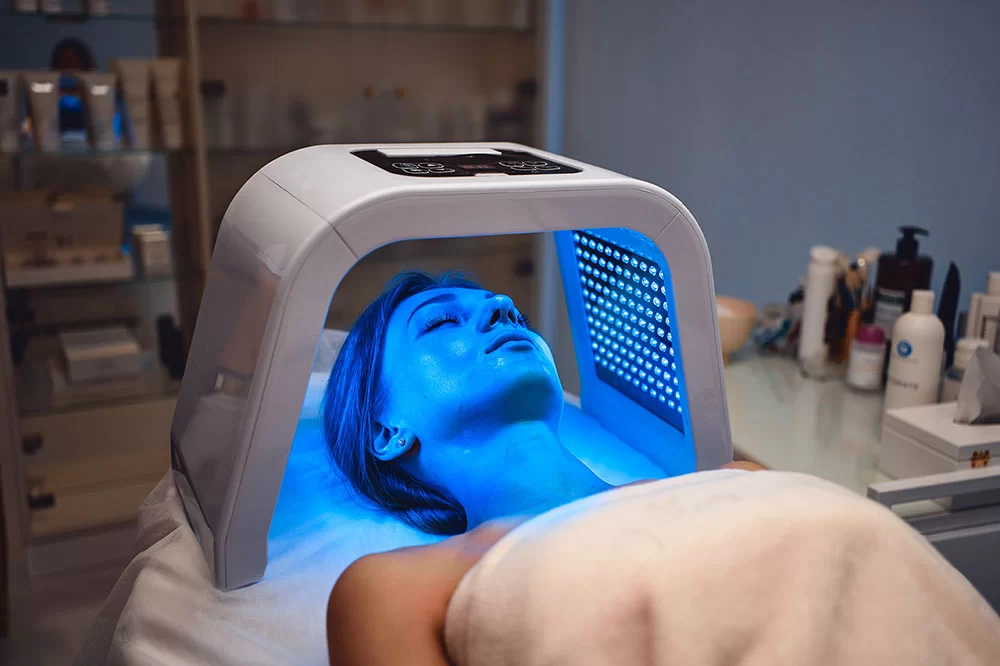
PDT Machine: Complete Guide, Benefits, Uses, and How It Works
A PDT machine is a professional device used in photodynamic therapy (PDT), a treatment technique that combines a light-sensitive substance with a specific wavelength of light. PDT machines are commonly used in dermatology, aesthetics, and certain medical applications. Depending on the device and treatment protocol, they can help address concerns such as acne, skin inflammation, sun-related skin damage, and other targeted skin conditions.
As interest in non-invasive skin treatments continues to grow, PDT machines have become an important part of many professional clinics. Their ability to deliver controlled light energy makes them useful for treatments that require precise and targeted exposure.
What Is a PDT Machine?
A PDT machine is a specialized light-based treatment device designed to support photodynamic therapy. PDT generally involves two main components: a photosensitizing agent and a particular wavelength of light.
During treatment, the photosensitizing substance is applied or administered according to the treatment protocol. The PDT machine then delivers light at a suitable wavelength. When the photosensitizer is activated by the light, it can produce a chemical reaction that helps target specific cells or microorganisms.
Modern PDT machines may use technologies such as LED light sources and can provide different wavelengths for different treatment purposes. Professional devices are typically designed with adjustable settings to control treatment intensity, wavelength, and exposure time.
How Does a PDT Machine Work?
The basic operation of a PDT machine is relatively straightforward. First, the treatment area is prepared according to the specific procedure. A photosensitizing agent may then be applied when required.
After the appropriate preparation period, the PDT machine is positioned so that its light source can illuminate the treatment area. The selected wavelength activates the photosensitizer, creating a photochemical reaction.
The exact mechanism and treatment settings depend on the condition being treated, the photosensitizer used, and the device specifications. Because PDT involves controlled light exposure and, in many cases, a photosensitizing substance, treatments should be performed according to professional protocols.
Common Uses of PDT Machines
PDT machines can be used in several professional treatment settings. Their applications vary depending on the device, wavelength, and approved treatment protocol.
Some common applications include:
- Acne-related treatments
- Certain inflammatory skin conditions
- Sun-damaged or precancerous skin lesions
- Targeted dermatological treatments
- Certain cosmetic skin procedures
- Treatments involving light-sensitive microorganisms
In aesthetic clinics, light-based treatments may also be incorporated into broader skincare programs. However, the specific capabilities of a PDT machine depend on its technical specifications and intended use.
Benefits of Using a PDT Machine
One of the major advantages of PDT is its targeted approach. The treatment combines a photosensitizer with controlled light exposure, allowing professionals to focus treatment on a particular area.
Potential benefits include:
Targeted Treatment
PDT can be directed toward specific treatment areas rather than exposing the entire body to treatment.
Non-Invasive Approach
Depending on the application, PDT can be performed without surgical incisions, making it an attractive option for certain dermatological procedures.
Controlled Light Delivery
Professional PDT machines are designed to deliver light under controlled conditions. Adjustable settings can help practitioners follow treatment protocols accurately.
Versatile Applications
Different wavelengths and treatment configurations can support different applications, making PDT technology useful in various professional settings.
Professional Skin Treatment
PDT technology can be incorporated into treatment plans designed by dermatologists, physicians, or trained skincare professionals.
Types of PDT Machines
There are different types of PDT machines available on the market. They can vary in light source, wavelength, design, treatment area, and operating features.
LED-based PDT machines are widely used because LEDs can provide specific wavelengths while producing relatively little heat compared with some traditional light sources.
Some machines are designed as facial panels, while others may use smaller treatment heads for more localized areas. Advanced professional systems can offer adjustable wavelengths, intensity controls, timers, cooling systems, and digital displays.
When selecting a PDT machine, it is important to choose a device appropriate for the intended clinical application rather than focusing only on appearance or price.
Features to Consider When Choosing a PDT Machine
Clinics and professionals should consider several factors before purchasing a PDT machine.
Wavelength options: Different applications may require different wavelengths, so the available wavelength range is important.
Light intensity: Adjustable intensity allows professionals to follow appropriate treatment protocols.
Treatment area: Consider whether the device is intended for small areas, facial treatments, or larger body areas.
Cooling system: Some devices include cooling features designed to improve treatment comfort and device performance.
Timer controls: Built-in timers can help provide consistent exposure periods.
Safety features: Look for appropriate protective and operational safety features.
Build quality: A durable device can be more suitable for regular professional use.
Technical support: Reliable after-sales service, training, maintenance, and warranty support can be important for clinics.
PDT Machine for Acne Treatment
PDT is sometimes used as part of professional acne treatment. Depending on the protocol, a photosensitizing agent may be combined with controlled light exposure.
The treatment can target factors associated with acne, including certain microorganisms and excessive activity within the skin. However, results can vary between individuals, and PDT is not necessarily suitable for every person with acne.
A qualified professional should evaluate the skin condition and determine whether PDT is appropriate. Treatment parameters should also be selected according to the specific device and clinical protocol.
PDT Machine in Aesthetic Clinics
Aesthetic clinics may use light-based technologies as part of professional skincare services. PDT machines can be incorporated into treatment programs for selected skin concerns.
Before introducing a PDT machine into a clinic, professionals should understand the device’s intended use, operating instructions, contraindications, maintenance requirements, and regulatory status in their region.
Proper staff training is also important because incorrect light settings or inappropriate treatment procedures can increase the risk of adverse effects.
Safety and Precautions
Although PDT is a non-invasive treatment approach in many applications, it is not completely risk-free. Photosensitivity, redness, irritation, discomfort, swelling, or temporary changes in the skin may occur depending on the treatment.
Patients should inform their healthcare provider about medications, skin conditions, allergies, and other relevant medical information before treatment.
Protective measures and post-treatment instructions should be followed carefully. The device should be operated by appropriately trained professionals, particularly when it is intended for medical treatment.
PDT Machine Maintenance
Regular maintenance can help keep a PDT machine functioning properly. Clinics should follow the manufacturer’s instructions for cleaning, inspection, calibration, and servicing.
The light source, cables, control panel, cooling components, and other parts should be checked according to the recommended maintenance schedule. Keeping accurate service records can also help with equipment management.
Professional machines should not be modified without authorization from the manufacturer because unauthorized changes can affect performance and safety.
How Much Does a PDT Machine Cost?
The price of a PDT machine varies significantly depending on its specifications and intended use. Basic systems may have fewer features, while advanced professional machines can include multiple wavelengths, cooling technology, digital controls, larger treatment areas, and additional safety functions.
Other costs may include installation, training, maintenance, replacement parts, and warranty services. Therefore, buyers should consider the total cost of ownership rather than comparing machines solely by their initial purchase price.
Conclusion
A PDT machine is a specialized light-based device used to support photodynamic therapy in professional medical and aesthetic settings. By delivering controlled wavelengths of light, these machines can be used with appropriate photosensitizing agents for selected treatment applications.
When choosing a PDT machine, professionals should consider wavelength options, treatment area, intensity controls, safety features, build quality, maintenance, training, and manufacturer support. Most importantly, PDT should be performed according to appropriate professional and clinical protocols.
For clinics considering this technology, selecting a suitable machine and ensuring proper operator training can help support safe and consistent treatment procedures.