Loceryl (Amorolfine) Lacquer: Long-Term Treatment Strategy for Fungal Nail Infections
Loceryl (amorolfine lacquer 2.5%/5%) is a topical antifungal treatment specifically developed for onychomycosis, a chronic fungal infection affecting fingernails or toenails. Nail fungus is one of the most persistent dermatological infections because fungi can survive deep within the nail structure, making treatment slower and more difficult than standard skin infections.
Amorolfine lacquer is designed to penetrate the nail plate gradually while forming a medicated protective layer over the infected area. This allows the active ingredient to remain in contact with the nail for an extended period of time.
Understanding Onychomycosis
Fungal nail infections often begin subtly and gradually worsen over time.
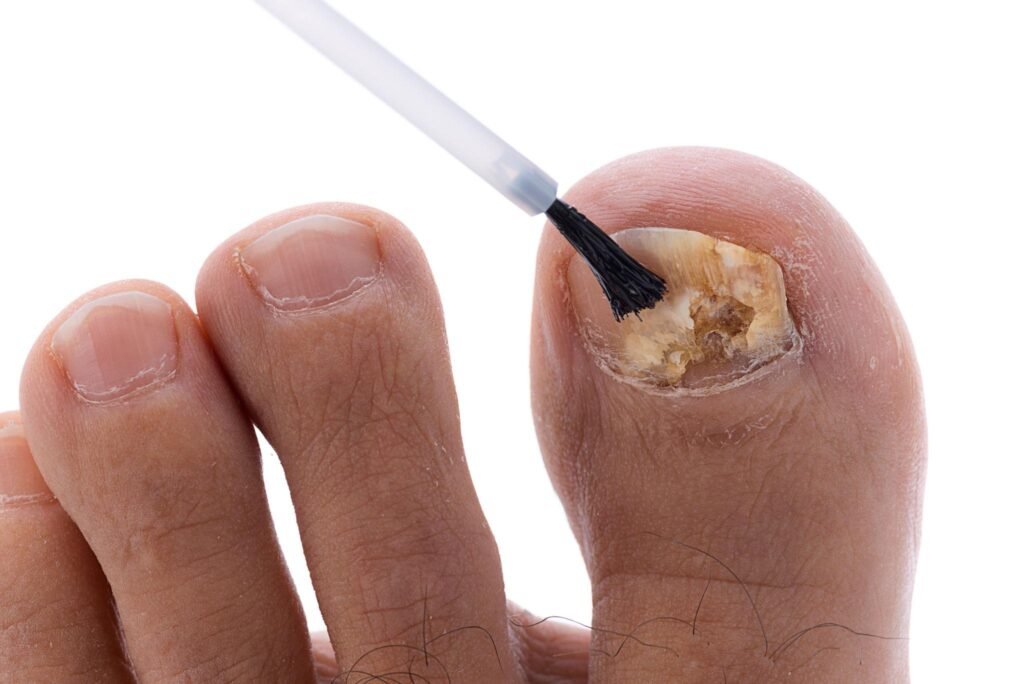
Common symptoms include:
- Yellow or white discoloration
- Thickened nails
- Brittleness and cracking
- Nail separation from the nail bed
- Irregular nail texture
Toenails are affected more frequently than fingernails because warm, moist environments inside shoes create favorable conditions for fungal growth.
Without treatment, the infection may slowly spread deeper into the nail structure and become increasingly difficult to manage.
For a detailed overview of application methods, treatment expectations, and product details, see this guide on how Loceryl (amorolfine lacquer) is used for fungal nail infection treatment:
loceryl amorolfine lacquer treatment guide
How Amorolfine Works
Amorolfine is a broad-spectrum antifungal medication that interferes with fungal cell membrane synthesis.
More specifically, it:
- Blocks sterol production within fungal cells
- Damages fungal cell membranes
- Inhibits fungal growth and survival
Because the medication is delivered in lacquer form, it remains attached to the nail surface and slowly penetrates into deeper layers where fungal organisms may reside.
This targeted approach allows treatment without exposing the entire body to systemic antifungal medication.
Why Nail Fungus Requires Long-Term Treatment
One of the biggest challenges in treating onychomycosis is nail growth speed.
Even after fungal activity decreases:
- The damaged nail must still grow out
- Healthy nail replacement takes time
- Visible improvement develops gradually
Typical nail growth timelines:
- Fingernails: several months
- Toenails: often 9–12 months or longer
This is why many patients incorrectly assume treatment is not working during the early stages.
In reality, progress is usually slow but continuous with proper use.
Proper Application Technique
Correct application significantly improves treatment effectiveness.
Typical recommendations include:
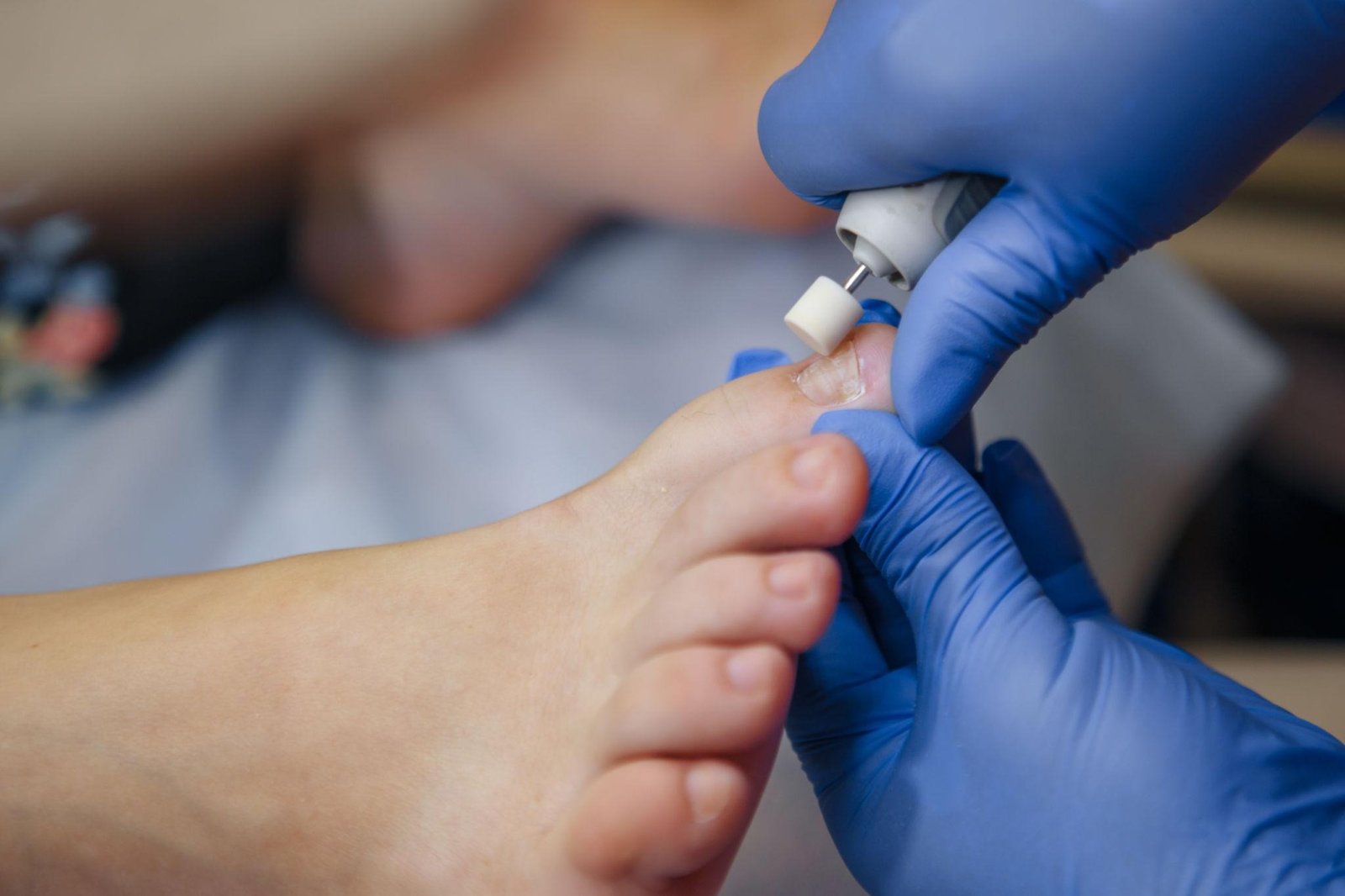
1. File the Affected Nail
The damaged surface should be gently filed to improve medication penetration.
2. Clean the Nail Thoroughly
Nails should be dry and free from cosmetic products before application.
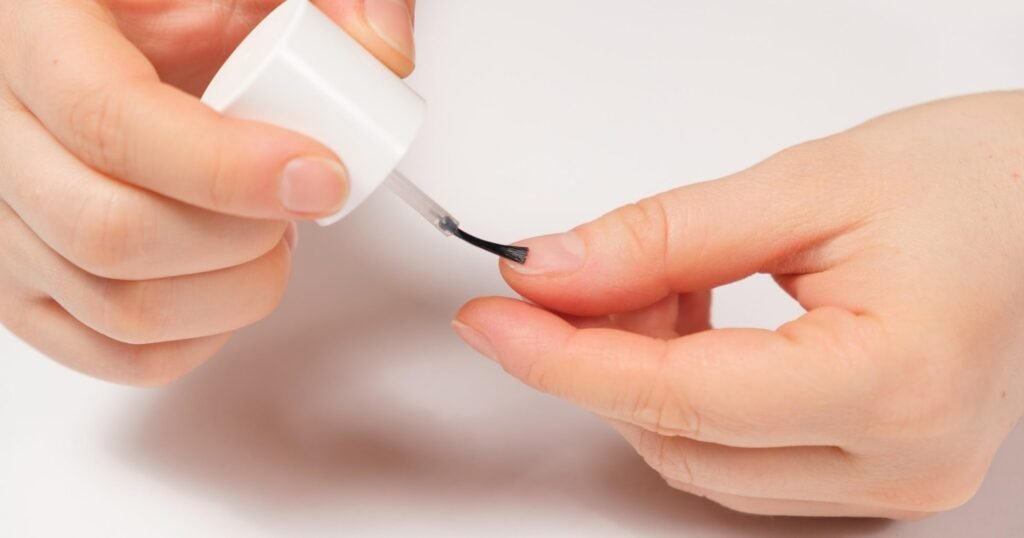
3. Apply the Lacquer Evenly
A thin layer should cover the entire affected nail surface.
4. Allow the Lacquer to Dry
The product should dry completely before wearing socks or shoes.
5. Repeat Consistently
Consistency is one of the most important factors for successful long-term results.
Interrupting treatment prematurely may allow fungal regrowth.
Factors That Influence Treatment Success
Several factors affect how well topical antifungal therapy works:
- Depth of fungal invasion
- Number of affected nails
- Nail thickness
- Patient consistency
- Foot hygiene habits
Mild to moderate infections generally respond better to topical treatment than severe infections involving the nail matrix.
Importance of Hygiene During Treatment
Even effective antifungal therapy may fail if reinfection occurs repeatedly.
Important preventive measures include:
- Keeping feet dry
- Changing socks daily
- Using breathable footwear
- Disinfecting shoes regularly
- Avoiding walking barefoot in communal wet areas
These steps help reduce fungal exposure and improve long-term outcomes.
When Topical Therapy May Not Be Enough
Some severe infections may require:
- Oral antifungal medication
- Combination therapy
- Professional nail debridement
Signs that medical reassessment may be needed include:
- Spreading infection
- Pain or swelling
- No improvement after prolonged use
- Multiple severely thickened nails
Possible Side Effects
Loceryl is generally well tolerated because systemic absorption is minimal.
Possible side effects may include:
- Mild burning sensation
- Nail brittleness
- Temporary irritation around the nail
- Mild redness
Serious side effects are uncommon with topical use.
Clinical Information
For medically reviewed information on amorolfine and antifungal nail treatment, see this clinical overview of amorolfine therapy for onychomycosis:
amorolfine antifungal therapy clinical overview
Long-Term Expectations
Patients should understand that:
- Improvement is gradual
- Healthy nail growth takes time
- Consistent use is essential
Even after fungal elimination, the visible nail may continue looking damaged until healthy nail growth fully replaces the infected portion.
Patience is a critical part of successful treatment.
Conclusion
Loceryl (amorolfine lacquer) is a targeted antifungal treatment designed specifically for fungal nail infections. Its lacquer-based delivery system allows prolonged contact with the nail while gradually suppressing fungal growth inside the nail structure.
When combined with consistent application and proper hygiene measures, it can significantly improve nail health and reduce fungal infection over time.