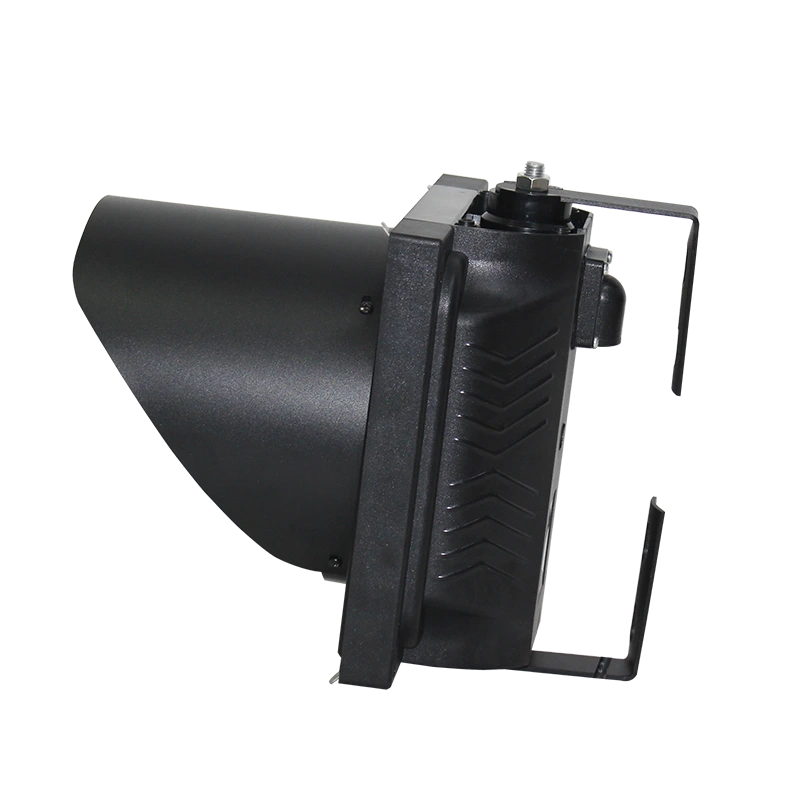
Smart Traffic Lights: The Future of Intelligent Traffic Management
Traffic congestion is one of the biggest challenges faced by growing cities around the world. As populations increase and more vehicles enter the roads, traditional traffic signals often struggle to manage changing traffic conditions. This is where smart traffic lights are becoming an important solution. By using sensors, cameras, artificial intelligence, and real-time data, smart traffic lights can adjust signal timing according to actual traffic conditions.
Unlike conventional traffic signals that operate on fixed schedules, smart traffic lights are designed to respond dynamically. They can identify traffic patterns, prioritize emergency vehicles, reduce unnecessary waiting times, and improve the overall efficiency of urban transportation. As cities move toward smarter infrastructure, intelligent traffic management systems are expected to play a major role in creating safer and more efficient roads.
What Are Smart Traffic Lights?
Smart traffic lights are advanced traffic signal systems that use modern technologies to monitor and manage traffic. Traditional signals generally follow predetermined timing cycles, regardless of whether a road is crowded or nearly empty. Smart systems, on the other hand, can collect information about traffic flow and change signal timing based on current conditions.
These systems may use cameras, radar, infrared sensors, connected vehicles, GPS data, and artificial intelligence to understand traffic movement. The collected data can then be analyzed to determine when traffic lights should remain green, change to red, or provide additional time for pedestrians and vehicles.
How Do Smart Traffic Lights Work?
The operation of smart traffic lights involves several technologies working together. Sensors and cameras are installed near intersections to collect real-time information about vehicles, pedestrians, bicycles, and road conditions.
This information is sent to a traffic management system, where software analyzes the data. If one direction has significantly more vehicles than another, the system can adjust the timing to provide additional green-light time where it is needed.
Some advanced systems use artificial intelligence and machine learning to identify recurring traffic patterns. Over time, these systems can use historical and real-time information to improve traffic signal decisions.
Key Technologies Used in Smart Traffic Lights
Several technologies contribute to the functionality of smart traffic lights. These include:
- Traffic sensors: Detect vehicles and measure traffic volume.
- Cameras: Monitor vehicles, pedestrians, bicycles, and traffic conditions.
- Artificial intelligence: Analyzes traffic patterns and supports automated decision-making.
- Machine learning: Helps systems recognize patterns and improve signal timing.
- Internet of Things (IoT): Connects traffic signals and other transportation infrastructure.
- Connected vehicles: Can provide information about vehicle location and movement.
- Cloud computing: Enables large amounts of traffic data to be processed and shared.
Together, these technologies allow traffic signals to operate more efficiently than fixed-time systems.
Benefits of Smart Traffic Lights
One of the major advantages of smart traffic lights is improved traffic flow. By responding to real-time conditions, signals can reduce unnecessary stops and long queues at busy intersections.
Smart traffic lights can also help reduce travel delays. When vehicles spend less time waiting at red lights, commuters may reach their destinations more efficiently.
Another benefit is improved road safety. Smart systems can detect pedestrians and cyclists and adjust signal phases when necessary. Some systems can also identify unusual situations, such as stopped vehicles or potential hazards.
Smart traffic lights may also contribute to lower fuel consumption and emissions. Vehicles that spend less time idling at intersections generally use less fuel. This can support broader efforts to improve urban air quality.
Smart Traffic Lights and Emergency Vehicles
Emergency response is another important application of intelligent traffic signals. Ambulances, fire trucks, and police vehicles may lose valuable time when they encounter congested intersections.
Smart traffic systems can be designed to give priority to emergency vehicles. When an authorized emergency vehicle is detected, connected traffic signals can potentially change their timing to create a clearer path.
This type of priority system can help emergency responders move through intersections more efficiently while maintaining coordination with surrounding traffic.
Role of Artificial Intelligence in Traffic Management
Artificial intelligence is becoming increasingly important in modern transportation systems. AI can process large amounts of traffic information much faster than traditional manual methods.
For example, an AI-powered traffic management system can analyze vehicle volumes, traffic speeds, weather conditions, road incidents, and historical patterns. Based on this information, it can support dynamic adjustments to traffic signal timing.
Machine learning can also help systems improve over time. Instead of relying only on predefined schedules, intelligent systems can identify patterns and use them to support future traffic-management decisions.
Smart Traffic Lights and Pedestrian Safety
Smart traffic signals are not only designed for vehicles. Pedestrian movement is an important part of modern traffic management.
Sensors and cameras can help detect pedestrians waiting to cross a road. Depending on the system, signals may provide additional crossing time or adjust signal phases based on pedestrian activity.
Some smart intersections can also incorporate audible signals, countdown displays, and other accessibility features. These technologies can make intersections more responsive to the needs of pedestrians and other road users.
Challenges of Smart Traffic Lights
Despite their potential benefits, smart traffic lights also present several challenges. The installation of sensors, cameras, communication networks, and control systems can require significant investment.
Maintenance is another consideration. Sensors and cameras must remain operational, while software and communication systems need regular updates.
Data security and privacy are also important. Systems that collect information about vehicles and people should be designed with appropriate security measures and responsible data-management practices.
In addition, smart traffic lights require reliable communication infrastructure. Network failures or technical problems could affect traffic operations, making system reliability an important consideration.
The Future of Smart Traffic Lights
The future of smart traffic lights is closely connected to the development of smart cities and connected transportation. As more vehicles become connected to digital networks, traffic signals may be able to exchange information directly with vehicles and transportation systems.
Future systems could coordinate multiple intersections instead of optimizing each traffic light separately. This could help create smoother traffic corridors and better manage congestion across entire areas.
The integration of electric vehicles, autonomous vehicles, public transportation, bicycles, and pedestrians may also encourage cities to develop more flexible traffic-management systems.
Conclusion
Smart traffic lights are transforming the way cities manage road traffic. By combining sensors, cameras, artificial intelligence, IoT technology, and real-time data, these systems can respond more effectively to changing traffic conditions than traditional fixed-time signals.
They can support smoother traffic flow, reduce waiting times, improve pedestrian and road safety, and potentially reduce unnecessary fuel consumption and emissions. However, successful implementation requires investment, reliable infrastructure, cybersecurity, maintenance, and careful management of collected data.
As urban areas continue to grow, intelligent traffic management will become increasingly important. Smart traffic lights offer one practical way for cities to make transportation systems more responsive, connected, and efficient.