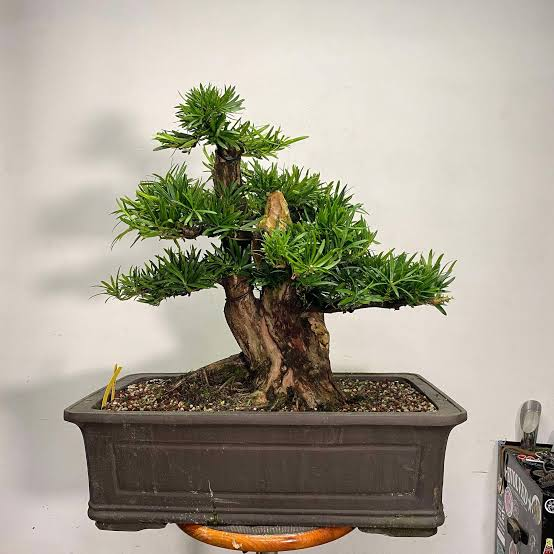
The Ultimate Guide to Podocarpus Buddhist Pine Care, Characteristics, and Uses
The podocarpus buddhist pine (botanically known as Podocarpus macrophyllus) is one of the most versatile and elegant plants used in modern horticulture. Native to regions across Eastern Asia, including Japan and southern China, this evergreen shrub or tree has captured the attention of botanists, landscapers, and indoor plant enthusiasts alike. Renowned for its dark green, strap-like foliage, compact growth habit, and strong cultural associations, the plant bridges the gap between classic outdoor coniferous landscapes and delicate indoor greenery.
Whether grown as a soaring garden hedge, a sculpted topiary, or a carefully pruned indoor bonsai, understanding how to nurture and utilize the buddhist pine can significantly elevate any botanical space.
Understanding the Physical Characteristics of Podocarpus Buddhist Pine
Despite its common name, the podocarpus buddhist pine is not a true pine in the strictly botanical sense. While true pines belong to the Pinaceae family and produce sharp, grouped needles, Podocarpus macrophyllus belongs to the Podocarpaceae family.
- Foliage: The leaves are linear, smooth, and leathery, resembling thick ribbons or soft Yew needles rather than stiff pine needles. They feature a prominent central vein and maintain a vibrant, deep green shade year-round.
- Growth Form: In its natural habitat, a mature buddhist pine can reach heights between 20 to 50 feet. When cultivated in home gardens or containers, it typically reaches a controlled height of 6 to 15 feet.
- Cones and Fruit: As a gymnosperm, it does not produce flowers. Instead, male trees produce small pollen cones, while female trees produce fleshy, berry-like structures (arils) that mature into striking shades of red or purple.
- Bark: The trunk and main branches develop a fine, grayish-brown bark that flakes slightly as the tree matures, lending an antique aesthetic to older specimens.
Cultural and Symbolic Significance
In many Asian cultures, the podocarpus buddhist pine is steeped in history and spiritual importance. It is frequently planted around Buddhist temples and within traditional private gardens, giving rise to its popular moniker.
In Feng Shui practice, the tree is considered a symbol of good fortune, steady growth, wealth, and long life. The long-lived nature of the tree and its evergreen foliage represent resilience and enduring energy. Because of these positive energetic associations, large, beautifully trained specimens are often placed near entryways, commercial plazas, and home patios to attract positive Chi.
Essential Light and Placement Requirements
Light management is key to maintaining dense leaf growth on a podocarpus buddhist pine.
- Outdoor Light: When planted in the garden, the shrub thrives best in bright, indirect light to full sun. In areas with intensely hot summers, providing light afternoon shade prevents leaf scorch.
- Indoor Light: Indoors, place the plant near a bright southern or eastern window. It can tolerate medium light conditions, but prolonged low light causes the stems to stretch out, resulting in sparse, leggy growth with wider gaps between the leaf nodes.
Watering and Moisture Management
Mastering the balance of water is crucial because root rot is one of the few issues that can seriously harm a podocarpus.
- The Moisture Check: Allow the top 1 to 2 inches of soil to dry out before watering thoroughly.
- Proper Drainage: Ensure the pot or garden bed allows excess water to escape immediately. Never allow container plants to sit in standing water trays.
- Winter Adjustment: During cooler fall and winter months, the plant enters a period of slower growth and consumes far less water. Reduce your watering frequency accordingly while taking care not to let the root ball dry out completely.
- Signs of Distress: Drooping or soft, brown leaf tips usually indicate overwatering, whereas yellowing, dry, or falling lower leaves often point to underwatering.
Soil Composition and Fertilization Needs
To support healthy root development and vibrant green foliage, use nutrient-balanced substrates and proper feeding schedules.
- Soil Mix: Buddhist pines prefer slightly acidic to neutral soil (pH 5.5 to 6.5) that offers excellent aeration. A mixture containing potting soil, peat moss, perlite, and coarse sand or fine bark works exceptionally well for containers.
- Fertilizer: Apply a balanced, water-soluble fertilizer or a formula designed for acid-loving plants every 2 to 4 weeks during the active spring and summer growing season. Reduce feeding to once every two months in fall and eliminate fertilization altogether during late winter.
Ideal Temperature and Humidity Range
As a subtropical native, the podocarpus buddhist pine favors mild to warm environmental conditions.
- Temperature: The ideal temperature range is between 60°F and 75°F (15°C to 24°C). It can tolerate temperatures up to 85°F (29°C) outdoors.
- Frost Protection: The plant is sensitive to sustained freezing conditions. If you live in USDA Hardiness Zone 8 or lower, container-grown plants should be brought indoors before the first frost.
- Humidity: Moderate indoor humidity levels are generally fine, but the plant benefits from higher humidity. If indoor winter heating makes the air excessively dry, misting the foliage occasionally or setting up a pebble tray will keep the leaves healthy.
Pruning, Shaping, and Bonsai Cultivation
One of the greatest virtues of Podocarpus macrophyllus is its exceptional tolerance for trimming.
- Hedge Maintenance: Outdoor hedges can be sheared in late winter or early spring to maintain formal geometric shapes and dense coverage.
- Branch Density: Pinching back new tender tips during late spring encourages side branching, creating a fuller, bushiest silhouette.
- Bonsai Artistry: Because the wood of young stems remains flexible and buds readily from old wood, the buddhist pine is a favored species for bonsai. It can be trained using wiring techniques into classic styles like Moyogi (informal upright) or Shakan (slanting).
Toxicity and Safety Precautions
When adding a podocarpus buddhist pine to your home or garden, it is vital to keep pet safety in mind. The leaves, seeds, and fleshy arils contain mild to moderate toxins that can cause stomach distress, vomiting, and diarrhea in dogs, cats, and humans if ingested. Place container plants out of reach of curious pets and small children.
Common Pests and Troubleshooting
Podocarpus trees are naturally resilient, but occasional care issues or pests can occur.
- Scale and Mealybugs: These sap-sucking pests appear as small, stationary brown spots or white, cottony patches under the leaves. Treat them promptly with insecticidal soap or neem oil spray.
- Spider Mites: Dry indoor conditions can invite spider mites. Check for fine webbing on the undersides of leaves and wipe down affected foliage with a damp cloth.
- Sooty Mold: Often caused by insect honeydew secretions, sooty mold appears as dark film on the leaves. Clean the leaves and address the underlying insect problem to prevent recurrence.
With its timeless evergreen appeal, low-maintenance requirements, and structural flexibility, the podocarpus buddhist pine remains a top choice for indoor plant growers and outdoor landscape artists. By providing bright light, avoiding overwatering, and maintaining a regular pruning routine, you can enjoy the beauty and calm presence of this ancient plant for decades.