Wall Mounted Automatic Soap Dispenser: A Modern Hygiene Solution
A wall mounted automatic soap dispenser is a touch-free hygiene device designed to provide a controlled amount of liquid soap without requiring users to touch a pump or button. These dispensers are becoming popular in homes, offices, restaurants, schools, healthcare facilities, hotels, shopping centers, and other public spaces.
Traditional soap dispensers require users to press a pump before washing their hands. In busy environments, the dispenser can become a frequently touched surface. An automatic model uses a sensor to detect a user’s hand and releases soap automatically. This creates a convenient and modern handwashing experience.
Wall-mounted designs also help organize washroom spaces. By attaching the dispenser to a wall, businesses can reduce countertop clutter and keep soap positioned near the sink. The combination of touch-free operation and space-saving installation makes these devices useful for many hygiene-focused environments.
What Is a Wall Mounted Automatic Soap Dispenser?
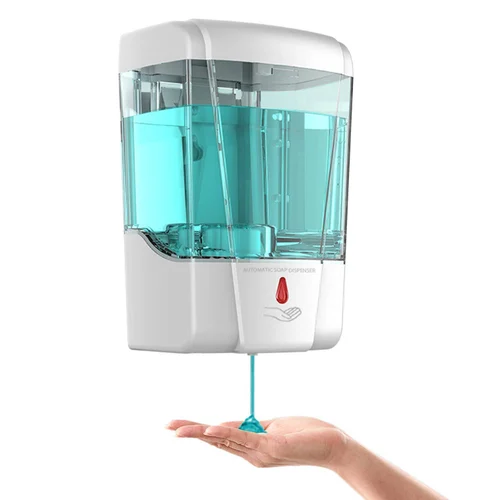
A wall mounted automatic soap dispenser is a hygiene device that releases soap when its built-in sensor detects a user’s hand.
Unlike a manual dispenser, it does not require physical contact with a pump. The user simply places a hand below the dispensing area, and the device provides a measured amount of soap.
The wall-mounted structure keeps the dispenser securely positioned above or beside a sink. It can be particularly useful in areas where countertop space is limited.
These dispensers are available in different sizes, designs, materials, and capacities to suit residential and commercial applications.
How Does an Automatic Soap Dispenser Work?
Automatic soap dispensers generally use infrared or another proximity-sensing technology.
When a user places a hand beneath the dispenser, the sensor detects the movement. The electronic control system then activates a small pump or dispensing mechanism.
The pump moves soap from the internal reservoir through a nozzle. A predetermined amount is released onto the user’s hand.
After dispensing, the system automatically stops the pump. This process happens quickly and requires no physical contact.
The sensor range and dispensing volume may vary between models.
Why Choose a Wall Mounted Design?
Wall mounting provides several practical advantages.
A countertop dispenser can take up valuable space around a sink. A wall-mounted model keeps the surface clear and provides a fixed location for soap.
Mounting the device also makes its position predictable. Users know exactly where to place their hands.
In commercial washrooms, wall-mounted dispensers can create a cleaner and more organized appearance.
Proper mounting can also help prevent the dispenser from being accidentally knocked over.
Main Components of the Dispenser
A wall mounted automatic soap dispenser contains several important components.
The sensor detects the user’s hand.
The control circuit processes the sensor signal and activates the dispensing mechanism.
The pump moves soap from the reservoir to the nozzle.
The soap reservoir stores the liquid soap.
The nozzle directs soap toward the user’s hand.
The power system provides energy for the sensor and pump. Many models use batteries, while others may use an external power supply.
The outer housing protects the internal components and provides the product’s overall appearance.
Benefits of a Touch-Free Soap Dispenser
A wall mounted automatic soap dispenser can offer several benefits.
Touch-Free Operation
Users do not need to touch the dispenser to obtain soap.
Convenient Use
The automatic sensor makes dispensing quick and simple.
Controlled Soap Usage
Many models provide a measured amount of soap, which can help reduce unnecessary consumption.
Space Saving
Wall mounting keeps countertops and sink areas less cluttered.
Modern Appearance
Automatic dispensers can give washrooms a clean and contemporary appearance.
Easy User Experience
A simple hand movement is enough to activate the device.
Improving Hand Hygiene
Proper handwashing is an important part of everyday hygiene. A convenient soap dispenser can make the process easier by ensuring soap is readily available near the sink.
Touch-free operation can also reduce direct contact with a shared dispenser surface.
However, an automatic dispenser is only one part of good hand hygiene. Users should still wash their hands thoroughly with soap and water and follow appropriate hygiene guidance.
Facility managers should keep dispensers filled, clean, and operational.
Applications in Commercial Buildings
Commercial facilities often experience high levels of daily foot traffic.
Offices, shopping centers, hotels, schools, gyms, airports, and public buildings can use wall-mounted automatic soap dispensers in their washrooms.
Touch-free operation can provide a convenient experience for many users.
Multiple dispensers can also be installed throughout a large facility to provide consistent access to soap.
For commercial environments, durability and refill capacity are especially important.
Wall Mounted Dispensers for Healthcare Facilities
Healthcare environments have specific hygiene requirements.
Automatic soap dispensers may be installed in hospitals, clinics, dental offices, laboratories, and care facilities.
Touch-free dispensing can reduce unnecessary interaction with shared surfaces.
Healthcare facilities should select dispensers that are suitable for their operational and cleaning requirements. Materials should be easy to clean, and the device should be designed for frequent use.
Regular maintenance is essential to ensure continuous availability.
Automatic Soap Dispensers in Restaurants
Restaurants and food service facilities need convenient handwashing solutions for staff and visitors.
A wall mounted automatic soap dispenser can be positioned near handwashing stations.
Touch-free operation can make soap dispensing easier for employees working in busy environments.
The dispenser should be regularly checked and refilled. Staff should also ensure that the surrounding sink area remains clean and accessible.
Features to Consider Before Buying
Different automatic dispensers offer different features.
Important considerations include:
- Sensor response time
- Detection range
- Soap capacity
- Dispensing volume
- Battery life
- Refill method
- Housing material
- Mounting system
- Indicator lights
- Waterproofing or moisture resistance
- Ease of cleaning
- Compatibility with soap types
The best choice depends on the location and expected frequency of use.
Soap Capacity and Refill Requirements
Soap capacity can affect maintenance frequency.
A small dispenser may be suitable for a home bathroom where usage is relatively low.
High-traffic commercial facilities may benefit from larger reservoirs. A larger capacity can reduce the frequency of refilling.
However, the reservoir should still be easy to access and clean.
Facility managers should monitor soap consumption and establish a regular refill schedule to prevent the dispenser from becoming empty.
Battery and Power Options
Automatic dispensers need a reliable power source.
Battery-powered models are convenient because they can be installed without connecting the dispenser to an electrical outlet.
However, batteries need to be replaced periodically. An indicator light may warn users or maintenance staff when battery power is low.
Some dispensers use rechargeable batteries or external power supplies.
When selecting a model, consider the installation location and the expected usage level.
Installation and Maintenance
Proper installation helps ensure reliable operation.
The dispenser should be mounted at a convenient height and positioned close enough to the sink for easy use.
The mounting surface should be strong enough to support the dispenser and its full soap capacity.
Maintenance usually involves cleaning the exterior, checking the sensor, refilling the reservoir, and inspecting the nozzle.
Soap buildup around the nozzle can affect dispensing performance. Regular cleaning can help prevent blockages.
Battery-powered models should also be checked periodically for battery condition.
How to Choose the Right Automatic Soap Dispenser
Choosing a wall mounted automatic soap dispenser begins with understanding the intended environment.
For residential use, a compact model may be sufficient. Commercial facilities may require larger capacity and more durable construction.
Consider the number of users, expected daily usage, available wall space, soap type, power requirements, and cleaning schedule.
It is also important to choose a model with a reliable sensor and appropriate dispensing volume.
For public or commercial installations, durability and ease of maintenance should receive particular attention.
Future of Smart Hygiene Technology
Automatic soap dispensers are becoming part of broader smart hygiene systems.
Future models may include features such as refill-level monitoring, wireless connectivity, usage tracking, and maintenance alerts.
Connected dispensers could allow facility managers to monitor multiple washrooms from a central platform.
Sensor technology may also become more accurate and energy efficient.
These developments could make hygiene management easier for large commercial facilities.
Conclusion
A wall mounted automatic soap dispenser offers a convenient and modern approach to soap dispensing. Its touch-free operation can reduce direct contact with shared surfaces, while wall mounting helps save countertop space and maintain an organized washroom.
These dispensers are suitable for homes, offices, restaurants, hotels, schools, healthcare facilities, and other high-use environments.
When choosing a model, consider sensor performance, soap capacity, dispensing volume, power source, installation requirements, durability, and maintenance needs.
With proper installation and regular care, an automatic wall-mounted dispenser can provide reliable soap access while supporting a cleaner, more convenient, and better-organized handwashing environment.