How to Choose the Right Escalator Manufacturer for Your Building
Escalators are an important part of modern transportation systems, helping people move efficiently between different floors in shopping malls, airports, railway stations, hotels, office buildings, and other large public spaces. Choosing the right escalator manufacturer is an important decision because the quality, safety, durability, and performance of an escalator depend heavily on its design and construction. A reliable manufacturer can provide solutions that meet the needs of a building while also supporting long-term maintenance and safe operation.
What Is an Escalator Manufacturer?
An escalator manufacturer is a company that designs, produces, assembles, and supplies escalator systems for commercial and public buildings. Manufacturers may offer standard escalators as well as customized solutions based on building dimensions, traffic levels, architectural requirements, and installation conditions.
A professional manufacturer usually handles several stages of the process, including engineering, material selection, manufacturing, testing, installation support, and after-sales service. Some companies also provide modernization and replacement services for older escalators.
Why Choosing the Right Manufacturer Matters
The manufacturer you select can have a major effect on the overall performance of an escalator system. A well-established company generally focuses on safety, engineering quality, reliable components, and compliance with applicable industry standards.
A high-quality escalator should operate smoothly and consistently even in locations with heavy daily traffic. Poorly designed or low-quality systems can result in frequent breakdowns, higher maintenance costs, and inconvenience for building visitors.
Before choosing a manufacturer, buyers should consider the company’s experience, product range, technical capabilities, safety features, warranty policies, and customer support.
Key Features of a High-Quality Escalator
A modern escalator includes many components designed to provide safe and comfortable transportation. These can include steps, handrails, drive systems, motors, braking systems, sensors, comb plates, and safety switches.
Manufacturers may also provide features such as automatic lighting, emergency stop systems, energy-saving operation, obstruction detection, and advanced monitoring technologies. The specific features required will depend on the type of building and expected passenger traffic.
For busy locations such as airports and shopping centers, durability and continuous operation are particularly important. A suitable escalator manufacturer should be able to recommend equipment designed for the expected usage level.
Different Types of Escalators
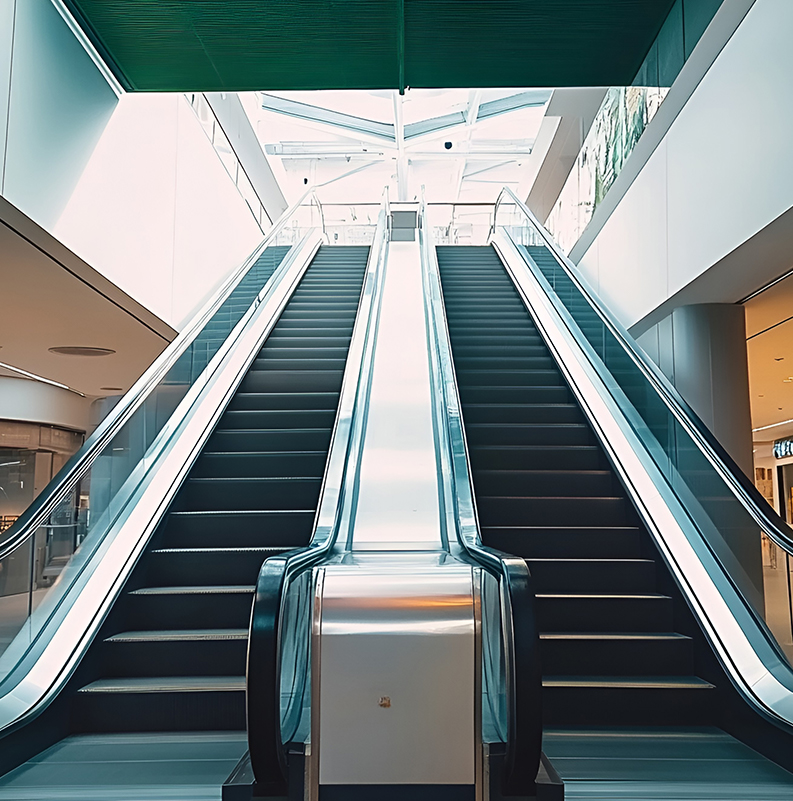
Escalators are available in several configurations to suit different architectural and transportation requirements. Straight escalators are among the most common designs and are frequently installed in shopping centers, transportation facilities, and commercial buildings.
Curved escalators can provide a distinctive architectural appearance but usually require more specialized engineering. Some manufacturers also offer heavy-duty escalators designed for environments where passenger traffic is particularly high.
Outdoor escalators require additional protection against weather, moisture, temperature changes, and environmental conditions. When selecting an outdoor system, it is important to work with a manufacturer that has experience producing equipment for external installations.
Safety Should Be a Top Priority
Safety is one of the most important considerations when purchasing an escalator. Because escalators carry large numbers of passengers, manufacturers must pay close attention to engineering, testing, protective systems, and applicable safety requirements.
Important safety features can include emergency stop buttons, step monitoring systems, handrail speed monitoring, braking systems, skirt protection, comb plate safety devices, and sensors that detect potential problems.
A responsible escalator manufacturer should provide detailed technical information about its safety systems and testing procedures. Buyers should also confirm that the equipment is designed to meet the relevant standards and regulations for the intended installation location.
Energy Efficiency and Modern Technology
Energy efficiency has become increasingly important for commercial buildings. Modern escalators can use intelligent control systems that adjust motor operation according to passenger demand.
For example, an escalator may operate at a reduced speed when there are few passengers and increase operation when traffic rises. These technologies can help reduce electricity consumption while maintaining convenient transportation.
Some manufacturers also offer LED lighting, regenerative drive systems, remote monitoring, and smart maintenance technologies. These features can help building owners control operating costs and identify potential maintenance issues earlier.
Manufacturing Quality and Materials
The materials used in an escalator have a direct influence on its durability and appearance. High-quality stainless steel, strong structural components, durable steps, and reliable electrical equipment can contribute to long-term performance.
A reputable manufacturer should have quality-control procedures throughout the production process. Components should be inspected and systems should be tested before delivery and installation.
Buyers should ask manufacturers about their manufacturing facilities, quality-control procedures, component suppliers, and testing processes. This information can help determine whether a company is capable of delivering reliable equipment.
Installation and Maintenance Services
Purchasing an escalator is not the end of the process. Professional installation is essential to ensure that the system operates correctly and safely.
A good escalator manufacturer may provide installation guidance, commissioning, technical training, and maintenance support. Regular maintenance can help identify worn components, electrical problems, unusual sounds, and other issues before they become major failures.
When comparing manufacturers, it is useful to ask about spare-parts availability and response times for technical support. Easy access to replacement components can reduce downtime and help keep an escalator operating efficiently.
How to Compare Escalator Manufacturers
Before making a final decision, building owners and project managers should compare several manufacturers rather than selecting a supplier based only on price.
Consider the following factors:
- Experience and reputation in the industry
- Product quality and engineering capabilities
- Safety features and compliance
- Energy efficiency
- Customization options
- Installation support
- Maintenance services
- Spare-parts availability
- Warranty coverage
- Total cost of ownership
A manufacturer offering the lowest initial price may not always be the most economical option in the long term. Maintenance requirements, energy consumption, replacement parts, and expected service life should all be considered.
Custom Escalator Solutions
Every building has different requirements. An airport may need heavy-duty systems capable of handling continuous passenger traffic, while a luxury shopping center may prioritize design and appearance.
An experienced escalator manufacturer can provide customized solutions based on floor height, available space, passenger flow, environmental conditions, and architectural design. Custom finishes, lighting, handrail options, and other design elements may also be available.
Working with a manufacturer early in the construction process can make it easier to coordinate escalator dimensions and technical requirements with the overall building design.
The Importance of After-Sales Support
Long-term customer support is another important factor when selecting an escalator manufacturer. Even a high-quality escalator requires regular inspection, maintenance, and occasional component replacement.
Manufacturers that provide strong after-sales support can help building owners maintain equipment performance over many years. Technical assistance, maintenance contracts, operator training, emergency support, and access to genuine spare parts can all contribute to reliable operation.
Final Thoughts
Choosing the right escalator manufacturer requires more than comparing product prices. Buyers should evaluate safety, engineering quality, durability, energy efficiency, installation, maintenance, warranty coverage, and long-term technical support.
A dependable manufacturer can provide an escalator system that matches the building’s traffic requirements and architectural design while supporting safe and efficient passenger movement. By researching manufacturers carefully and comparing their products and services, building owners can make a confident investment in a reliable transportation system that can serve passengers for many years.