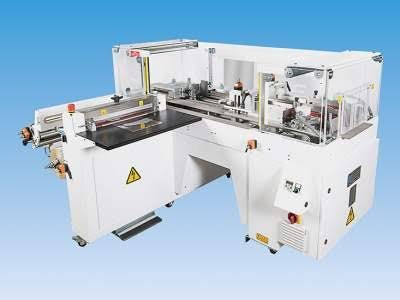
Overwrapping Machine: A Complete Guide to Modern Packaging Solutions
An overwrapping machine is specialized packaging equipment designed to wrap individual products or groups of products with a protective film. These machines are widely used in food, cosmetics, pharmaceuticals, consumer goods, electronics, and other industries where products need attractive and secure packaging.
Overwrapping can improve product presentation while protecting items from dust, moisture, handling, and other environmental factors. Modern machines can automate film feeding, product wrapping, sealing, cutting, and other packaging operations.
Businesses choosing packaging equipment need to consider product dimensions, film type, production volume, sealing requirements, and automation levels. This guide explains how an overwrapping machine works, its benefits, applications, and important selection factors.
What Is an Overwrapping Machine?
An overwrapping machine is a packaging system that covers products with a flexible wrapping material. The film is placed around the product and sealed to create a neat and protective package.
The equipment can be designed for individual products or multiple products arranged together. Depending on the machine, the wrapping process may include folding, sealing, cutting, and product positioning.
Overwrapping machines are available in different sizes and configurations. Some systems are designed for small production operations, while high-speed machines can handle continuous industrial packaging.
The final package can provide a professional appearance while helping protect the product during storage and transportation.
How Does an Overwrapping Machine Work?
The overwrapping process begins with a roll of packaging film. The machine feeds the film into the wrapping area at a controlled speed.
The product is then positioned on the machine’s conveyor or feeding system. The film moves around the product and forms a package according to the selected format.
The machine folds the material around the product and creates sealed edges. Depending on the packaging system, sealing may use heat, pressure, adhesive, or another suitable method.
After sealing, the film is cut to create individual packages. Some machines can also add tear strips, labels, codes, or other features.
Modern equipment can automate most of these stages, reducing manual handling and improving production consistency.
Main Components of an Overwrapping Machine
Several components work together to complete the packaging process.
The film feeding system controls the movement of packaging material. Consistent film feeding helps maintain uniform package dimensions.
The product feeding system moves products into the wrapping area. Automatic feeders can improve speed and reduce manual work.
The wrapping section folds the film around the product. Its configuration depends on product size and package style.
The sealing system closes the film around the product. Proper sealing settings are essential for creating a neat and secure package.
The cutting mechanism separates individual packages from the film.
Other components may include conveyors, sensors, control panels, coding systems, safety guards, and inspection devices.
Different Types of Overwrapping Machines
Different overwrapping machines are designed for different packaging requirements.
Horizontal overwrapping machines are commonly used for products that can move along a conveyor. They can wrap items individually or in groups.
Automatic overwrapping machines perform most packaging operations with limited operator involvement. They are suitable for high-volume production.
Semi-automatic machines require operators to perform some loading or positioning tasks. They can be useful for smaller production runs.
Specialized overwrapping machines can be designed for products with unusual dimensions or specific packaging requirements.
The right machine depends on product characteristics, production volume, packaging design, and available space.
Packaging Materials Used in Overwrapping
Film selection is an important part of the overwrapping process. Different materials provide different levels of transparency, strength, flexibility, and protection.
Polypropylene films can be used for many general packaging applications. Other plastic films may be selected when specific barrier or sealing characteristics are required.
Paper-based wrapping materials can also be used in certain applications where appearance and sustainability are priorities.
Printed films provide opportunities for branding. Companies can include logos, product information, patterns, instructions, and promotional messages directly on the packaging.
The film should be compatible with the machine’s sealing and folding systems to achieve consistent results.
Benefits of Using an Overwrapping Machine
An overwrapping machine can provide several benefits to manufacturers and packaging companies.
One major advantage is improved packaging consistency. Automated systems can produce packages with similar dimensions and sealing patterns.
The process can also increase production speed compared with manual wrapping. This is especially valuable when large quantities must be packaged every day.
Other benefits include:
- Professional product appearance
- Consistent wrapping quality
- Reduced manual labor
- Faster packaging operations
- Flexible film options
- Improved product protection
- Better branding opportunities
- Reduced handling during packaging
Overwrapping can also create a tamper-evident appearance when suitable film and sealing methods are used.
Products Suitable for Overwrapping
Overwrapping machines can package many different products. The format is particularly useful for products with relatively regular shapes.
Food manufacturers may use overwrapping for certain baked goods, confectionery products, trays, and other packaged items.
Consumer goods companies can use the process for cosmetics, personal care products, household items, and accessories.
Pharmaceutical and healthcare packaging may also use specialized overwrapping formats where appropriate.
Other applications include:
- Boxes
- Gift products
- Small electronic items
- Stationery
- Hardware
- Promotional products
- Retail packages
- Household goods
The machine should be configured according to the product’s dimensions, weight, and packaging requirements.
Automatic and Semi-Automatic Overwrapping
The level of automation should match the production environment.
Semi-automatic equipment can be useful for companies with lower production volumes. Operators may load products manually while the machine handles wrapping and sealing.
Fully automatic equipment can integrate product feeding, film handling, wrapping, sealing, and cutting. This can provide higher output with less manual intervention.
Automatic systems may require greater investment, but they can provide significant productivity benefits for large-scale operations.
Businesses should consider expected production growth before selecting the automation level. A machine that meets today’s requirements should also be practical for future demand.
Importance of Sealing Quality
Sealing quality has a direct impact on package appearance and integrity. A weak or inconsistent seal can cause film separation and create an unattractive package.
Several factors influence sealing performance. These include film type, sealing temperature, pressure, machine speed, and equipment condition.
Manufacturers should establish suitable settings for each packaging material. Regular inspections can identify weak seals, wrinkles, incomplete folds, or damaged film.
Consistent sealing also helps reduce packaging waste. When sealing problems are detected early, manufacturers can prevent large quantities of defective packages.
Production Speed and Machine Efficiency
Production speed is an important consideration when purchasing an overwrapping machine. Different models can operate at different output levels.
However, maximum machine speed should not be the only consideration. Product feeding, film changes, changeover times, maintenance, and quality inspection can all influence actual production efficiency.
A machine should provide a suitable balance between speed and reliability.
Automated feeding systems can help maintain continuous operation. Quick-change tooling and accessible machine controls can also reduce downtime between production runs.
Custom Packaging and Product Presentation
Overwrapping can improve the visual appearance of products. A neatly folded film package can create a clean and professional presentation.
Printed film allows manufacturers to display logos, colors, product details, and promotional messages. Transparent film can allow customers to see the product underneath.
Custom packaging can help products stand out on retail shelves. It can also support brand recognition when consistent packaging designs are used across a product range.
The packaging design should balance appearance with practical requirements such as durability, sealing performance, and ease of handling.
Maintenance Requirements
Regular maintenance is essential for keeping an overwrapping machine reliable. Operators should follow the recommended maintenance schedule provided by the equipment manufacturer.
Film guides, sealing components, cutting systems, conveyors, sensors, and moving parts should be inspected regularly.
Accumulated film residue or dust can affect machine performance. Proper cleaning helps maintain smooth operation.
Preventive maintenance can reduce unexpected breakdowns and extend equipment life. Operators should also report unusual sounds, vibration, film tracking problems, or inconsistent sealing as soon as they appear.
How to Choose the Right Overwrapping Machine
Businesses should evaluate several factors before purchasing packaging equipment.
First, consider the product dimensions and shape. The machine must have suitable wrapping capacity and feeding capabilities.
Next, determine the required production output. A low-volume business may benefit from a semi-automatic solution, while a large manufacturer may need a fully automated system.
Film compatibility is another important consideration. The equipment should support the desired packaging material and sealing method.
Other factors include:
- Machine footprint
- Changeover time
- Automation level
- Film consumption
- Maintenance requirements
- Safety features
- Control system
- Technical support
- Total operating cost
Choosing equipment according to actual production needs can improve long-term efficiency.
Ways to Improve Packaging Efficiency
Manufacturers can improve overwrapping efficiency by optimizing film usage and machine settings. Correct product positioning can reduce wrapping errors.
Operator training is also important. Employees should understand film loading, machine controls, safety procedures, and basic troubleshooting.
Regular maintenance prevents avoidable downtime. Keeping replacement wear parts available can also speed up repairs.
Businesses can monitor production data to identify bottlenecks. Tracking film waste, downtime, output, and rejected packages can reveal opportunities for improvement.
Conclusion
An overwrapping machine provides an efficient way to create attractive and protective product packaging. Modern machines can automate film feeding, product wrapping, folding, sealing, and cutting, making them suitable for a wide range of industries.
The best equipment depends on product dimensions, packaging materials, production volume, desired automation, and sealing requirements. Proper maintenance and operator training are equally important for dependable performance.
For businesses seeking consistent and professional packaging, investing in a suitable overwrapping machine can improve production efficiency, reduce manual handling, and support better product presentation.