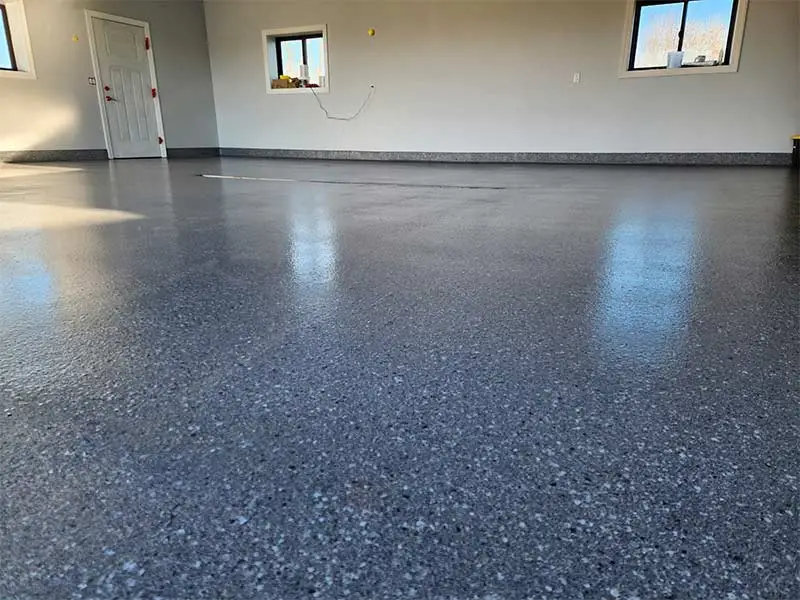
Floor Coating Supplies: A Complete Guide to Choosing the Right Materials
Floor coatings can improve the strength, appearance, and lifespan of many surfaces. From garages and warehouses to commercial buildings and industrial facilities, a quality floor coating protects concrete from daily wear. However, getting good results requires more than simply choosing a coating. You also need the right floor coating supplies for surface preparation, application, safety, and finishing.
Choosing suitable materials can make the installation process easier and help create a durable surface. This guide explains the most important floor coating supplies, how they are used, and what factors to consider before starting a flooring project.
What Are Floor Coating Supplies?
Floor coating supplies include the products, tools, and equipment needed to prepare, coat, and finish a floor. These supplies are commonly used on concrete surfaces, although some products are designed for wood, metal, and other materials.
A typical project may require surface cleaners, repair products, primers, coating materials, rollers, brushes, mixing tools, and protective equipment. The exact supplies depend on the type of floor and the coating system being installed.
Using the correct materials helps the coating bond properly with the surface. Poor preparation or low-quality tools can lead to peeling, bubbling, cracking, or uneven coverage. For this reason, selecting the right supplies is an important part of every floor coating project.
Types of Floor Coatings
Different coating systems require different floor coating supplies. Understanding the main coating options can help you choose suitable products.
Epoxy Floor Coatings
Epoxy is one of the most popular options for garages, workshops, warehouses, and commercial spaces. It can create a hard and durable surface with good resistance to chemicals and stains.
Epoxy systems often require a primer, resin, hardener, mixing containers, rollers, and application tools. Some projects may also use decorative flakes or colored pigments to improve the appearance of the finished floor.
Polyurethane Coatings
Polyurethane coatings are valued for their flexibility and resistance to scratches. They can also provide good protection against sunlight and wear.
These coatings are often used as a topcoat over another system, such as epoxy. Proper rollers, brushes, mixing equipment, and protective gear are important when applying polyurethane products.
Polyaspartic Coatings
Polyaspartic coatings can cure quickly and are often used when installation time is limited. They are commonly selected for garages and commercial spaces.
Because these products may have fast working times, installers need reliable floor coating supplies and proper preparation before mixing begins.
Concrete Surface Preparation Supplies
Surface preparation is one of the most important stages of a floor coating project. A coating cannot perform well if the concrete surface is dirty, weak, oily, or damaged.
Common preparation supplies include:
- Concrete cleaners
- Degreasers
- Floor grinders
- Diamond grinding tools
- Shot blasting equipment
- Crack repair materials
- Concrete patching compounds
- Industrial vacuums
The goal is to create a clean and properly textured surface. Dust, grease, oil, and loose material should be removed before the coating is applied.
A properly prepared surface allows the coating to bond more effectively. Skipping this stage may save time initially, but it can cause expensive problems later.
Primers and Base Coats
Primers are important floor coating supplies because they help improve adhesion between the concrete and the coating system. Not every project requires the same type of primer, so the product should be selected according to the coating and surface condition.
Some primers are designed to penetrate concrete and strengthen the surface. Others help reduce issues caused by moisture or create a smoother foundation for the next layer.
After the primer, a base coat may be applied. The base coat provides the main color and protective layer of the flooring system. Multiple layers may be necessary depending on the desired thickness and performance requirements.
Always follow the manufacturer’s instructions regarding mixing ratios, drying times, and application conditions.
Rollers, Brushes, and Application Tools
Good application tools can make a major difference in the final appearance of the floor. Rollers are commonly used for large areas because they allow installers to spread the coating evenly.
Useful application tools include:
- Paint rollers
- Roller frames
- Extension poles
- Brushes
- Squeegees
- Notched squeegees
- Spiked rollers
- Mixing paddles
- Measuring containers
Squeegees can help spread thicker coatings, while rollers create a more even finish. Spiked rollers may be used to remove trapped air from certain self-leveling materials.
Choosing quality application equipment can reduce streaks, uneven thickness, and other surface problems.
Decorative Floor Coating Supplies
Floor coatings do not have to be plain. Decorative materials can create a more attractive and customized appearance.
Decorative floor coating supplies may include vinyl flakes, metallic pigments, quartz aggregates, and colored chips. These materials can be added between coating layers to create different textures and designs.
Decorative flakes are especially popular for garage floors. They can hide minor imperfections while adding color and visual interest. Quartz and other aggregates may also improve durability and provide additional slip resistance.
The decorative material should be compatible with the selected coating system. Applying the wrong material can affect adhesion or create an uneven surface.
Protective Topcoats
A topcoat provides an additional layer of protection over the main floor coating. It can improve resistance to scratches, chemicals, stains, and daily traffic.
Topcoats are available in different finishes, including gloss, satin, and matte. Some products are designed for indoor use, while others provide better resistance to ultraviolet light.
When selecting floor coating supplies, it is important to consider the environment where the floor will be used. A warehouse, garage, retail store, and outdoor area may all have different performance requirements.
The right topcoat can help maintain the appearance of the floor and extend the life of the entire coating system.
Safety Equipment for Floor Coating Projects
Safety should always be a priority. Some coating materials contain chemicals that require proper handling and ventilation.
Important safety supplies may include:
- Protective gloves
- Safety glasses
- Respirators
- Protective clothing
- Knee pads
- Safety footwear
- Ventilation equipment
The specific safety equipment depends on the products being used. Always read the product label and safety information before beginning work.
Proper ventilation is especially important when working indoors. Keeping the workspace clean and organized can also reduce the risk of accidents during installation.
Choosing Floor Coating Supplies for Different Areas
The location of the project should influence your buying decisions. A residential garage may require different materials than a large industrial facility.
For a garage, chemical resistance, durability, and appearance may be the main priorities. Decorative flakes and easy-to-clean coatings are often popular choices.
For warehouses, factories, and workshops, heavy traffic and equipment loads may require thicker and more durable systems. Industrial-grade floor coating supplies may be necessary for these environments.
Commercial spaces may focus on appearance, slip resistance, and ease of maintenance. Understanding how the floor will be used helps you choose a suitable coating system.
How to Select Quality Floor Coating Supplies
Quality should be considered when purchasing materials for a flooring project. The cheapest product is not always the best choice, especially when long-term durability is important.
Consider the following factors:
- Type and condition of the existing floor.
- Expected foot or vehicle traffic.
- Exposure to chemicals or moisture.
- Indoor or outdoor installation.
- Required drying and curing time.
- Desired appearance and finish.
- Available budget.
It is also important to ensure that primers, base coats, decorative materials, and topcoats are compatible with each other. Using a complete system from a trusted supplier can sometimes simplify the selection process.
Storing and Maintaining Floor Coating Supplies
Proper storage can help protect unused materials and tools. Coating products should generally be kept in a dry location and protected from extreme temperatures.
Containers should remain properly sealed when not in use. Always check expiration dates and manufacturer recommendations before using stored products.
Application tools should also be cleaned or disposed of according to the product instructions. Proper maintenance can reduce waste and help prepare for future projects.
Good organization is especially useful for professional contractors who regularly manage large quantities of floor coating supplies.
Common Mistakes to Avoid
One common mistake is applying a coating to an improperly prepared surface. Dirt, moisture, and oil can prevent proper adhesion.
Another mistake is mixing products incorrectly. Many coating systems require precise ratios between different components. Incorrect mixing can affect curing and performance.
Installers should also avoid applying coatings outside the recommended temperature or humidity range. Environmental conditions can influence drying times and the final finish.
Finally, rushing the project can create problems. Each layer needs the correct amount of time to cure before the next step begins.
Conclusion
Choosing the right floor coating supplies is essential for creating a durable, attractive, and long-lasting floor. From concrete preparation products and primers to rollers, decorative flakes, and protective topcoats, every item has a role in the final result.
The best approach is to understand the condition of the existing floor and the demands of the environment. A garage, warehouse, retail space, and industrial facility may each require different coating solutions.
Investing time in proper preparation and selecting compatible, high-quality materials can help prevent common issues such as peeling, cracking, and uneven coverage. With the right floor coating supplies, careful planning, and proper application techniques, you can create a strong surface that looks professional and performs well for years.