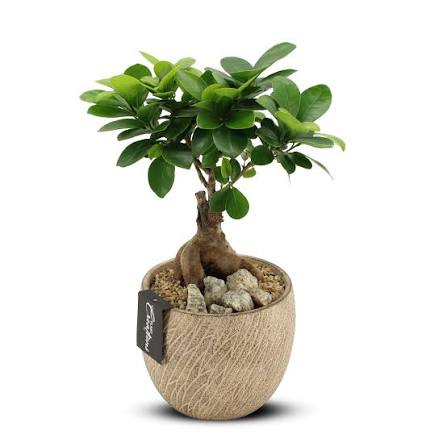
The Ultimate Guide to Growing and Caring for an S Shape Ficus Bonsai
The S shape Ficus bonsai is one of the most popular choices for both beginners and experienced bonsai enthusiasts. Its distinct, sweeping trunk resembles the graceful curves of a dragon, making it a captivating living art piece for any indoor space. Combining the resilience of the Ficus genus with traditional Asian bonsai design, this plant brings elegance, tranquility, and natural beauty into home environments.
Understanding the S-Shape Ficus Bonsai
The S-shape Ficus, often trained from species like Ficus retusa or Ficus microcarpa, is styled using the classic Moyogi or informal upright bonsai technique. Growers wrap aluminum or copper wire around young, flexible trunks to guide their growth into a gentle S-curve. Over time, the trunk thickens, permanently holding this dynamic, flowing aesthetic.
The appeal of the S-shape lies in its balance. The curves create visual motion, directing the eye from the wide base up to the dense leaf canopy. Alongside its striking look, the Ficus is celebrated for its forgiving nature, making it far more durable than delicate evergreen bonsai varieties.
Essential Care Requirements for S-Shape Ficus Bonsai
Keeping your S-shape Ficus healthy involves managing a few core environmental factors. While resilient, maintaining consistent care ensures vibrant green leaves and steady growth.
- Light: Position your plant where it receives bright, indirect sunlight for at least 4 to 6 hours daily. A south or west-facing window is ideal. While Ficus can tolerate lower light levels, insufficient light leads to sparse foliage and weak branches.
- Watering: Water thoroughly whenever the top inch of soil feels dry to the touch. Saturate the soil until water drains out of the pot’s bottom holes, then empty the drainage tray. Avoid letting the roots sit in standing water to prevent root rot.
- Temperature and Humidity: Ficus plants thrive in warm environments between 60°F and 75°F (15°C to 24°C). Keep them away from cold drafts, air conditioning vents, and heat sources. They prefer moderate to high humidity; misting the leaves regularly or placing the pot on a pebble tray filled with water helps maintain moisture levels.
- Soil Selection: Use a well-draining bonsai soil mixture. A blend containing lava rock, akadama, pumice, and organic compost ensures proper aeration while retaining sufficient moisture.
Pruning, Wiring, and Shaping Techniques
Maintaining the iconic S-shape requires routine pruning and occasional training. Without guidance, your bonsai will return to its natural, vertical tree structure.
To maintain its shape, prune back new growth regularly. Allow shoots to grow 6 to 8 leaves, then trim them back to 2 or 3 leaves. This practice encourages ramification—the development of smaller, denser branch networks—giving the canopy a full, compact look.
If you want to adjust or refine the trunk’s S-curve, use anodized aluminum wire. Gently wrap the wire around the trunk at a 45-degree angle and bend the wood slowly. Always monitor wired branches closely, removing the wire before it bites into the bark as the trunk expands.
Repotting and Root Maintenance
As your S-shape Ficus grows, its roots will fill the container. Repotting is necessary every 2 to 3 years during early spring, just before the active growing season starts.
When repotting, carefully remove the tree from its pot and tease away old soil from the root ball. Trim back longer, thick structural roots by roughly one-third, keeping the fine fibrous roots intact. This root pruning encourages a compact root system that fits comfortably in shallow bonsai pots while stimulating fresh nutrient uptake.
Common Troubles and Solutions
- Dropping Leaves: Sudden changes in light, temperature, or location often cause leaf drop. Keep environmental conditions stable and allow the plant time to acclimate.
- Pests: Watch for spider mites, scale, and mealybugs. Treat infestations early by wiping leaves with insecticidal soap or neem oil.
- Yellow Leaves: Overwatering or poor drainage usually turns leaves yellow. Adjust your watering schedule and ensure the drainage holes remain unblocked.