Relegation Battles and Discipline in the 2024/25 Premier League
Relegation fights in the Premier League rarely hinge on talent alone; discipline, decision-making under pressure and how teams handle yellow cards, red cards and penalties often decide who survives and who goes down. The 2024/25 season underlined this reality, as the gap between safety and the bottom three shrank to the point where just a few key refereeing calls separated the clubs that stayed up from those that were relegated.
Why Discipline Matters More Near the Bottom
Teams at the bottom of the table typically live on thin margins, so every suspension, penalty conceded or booking that forces a tactical change carries a disproportionate cost. A single red card can not only reduce a team to ten men for half an hour, but also deprive them of a key player in the next match, which is devastating when fixtures against direct rivals pile up. Historical data shows that some of the worst disciplinary records in Premier League history involve multiple red cards in a season, and those campaigns often correlate with poor league finishes because of the cumulative disruption to line-ups and game plans. In tight relegation races, the difference between staying up and going down has sometimes been as small as one or two points, which can easily be traced back to a single reckless challenge in the penalty area or a preventable second booking.
The Shape of the 2024/25 Relegation Battle
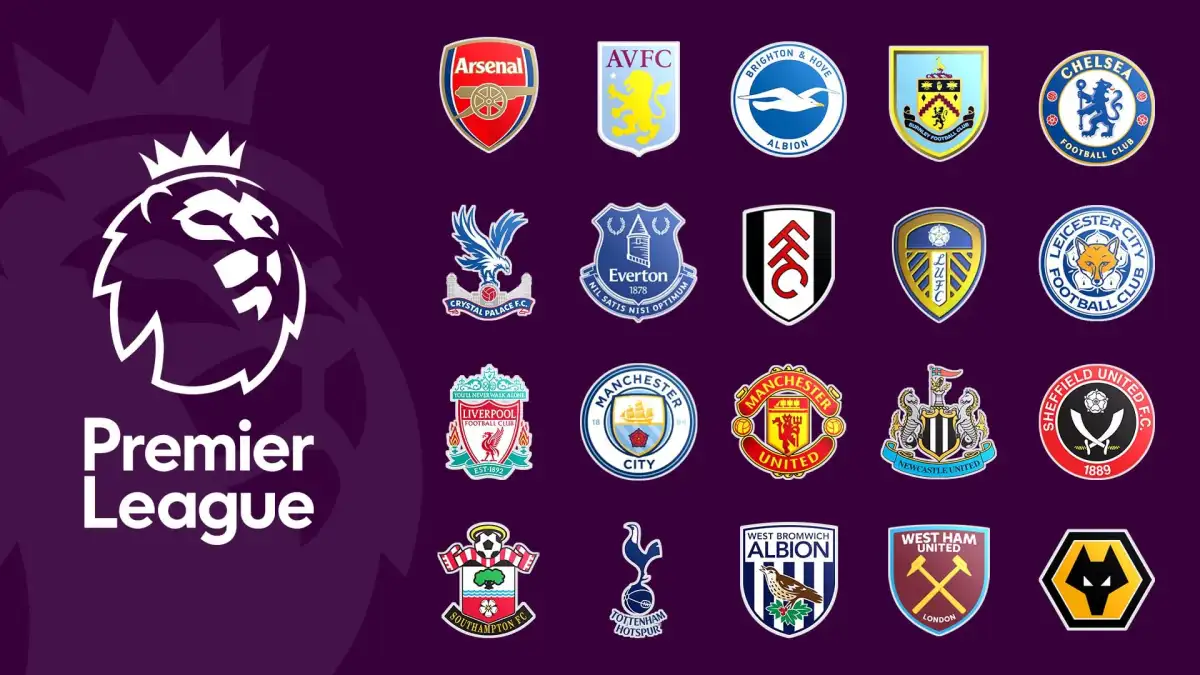
The 2024/25 Premier League season finished with Leicester City, Ipswich Town and Southampton relegated, while the team in 17th place survived with only a slightly higher points total. Leicester ended on 25 points, Ipswich on 22 and Southampton on 12, underlining how low the bar for survival had become in this particular campaign. League records show that the fewest points required to avoid relegation in a Premier League season was set at 26 in 2024/25, highlighting how one extra win or a couple of draws could have changed the outcome for the clubs that went down. In that kind of environment, disciplinary lapses matter because going a goal down to a penalty or losing a player to a red card in a six-pointer directly removes the small edge a struggling team needs to drag itself clear of trouble.
Yellow Cards: Tactical Aggression or Hidden Tax?
Yellow cards rarely change a match immediately, but they act as a hidden tax on the way a team can defend for the rest of the game. Once a centre-back or defensive midfielder is booked, pressing becomes less aggressive, tactical fouls become riskier and opposition attackers gain confidence attacking that side, which increases the probability of conceding a high-quality chance or a penalty later on. Across Premier League history, clubs have occasionally amassed more than 100 yellow cards in a single season, which demonstrates how a habit of late tackles and protests can become systemic rather than incidental. For relegation-threatened teams, this pattern is dangerous because they already spend long stretches without the ball; when multiple players carry bookings, the defensive block loosens, the backline drops deeper and the team has fewer tools to disrupt opponents without drawing further punishment.
Red Cards and Their Direct Impact on Survival
Red cards escalate the disciplinary cost from gradual to immediate and often catastrophic. Historically, some clubs have set records by receiving nine red cards in a single campaign, a number that almost guarantees multiple matches where they played significant minutes a man down. Playing with ten men reduces passing options, compresses the midfield and leads to more last-ditch defending, which in turn increases the risk of conceding penalties or further cards as exhausted defenders arrive late to challenges. In a relegation battle, those matches frequently occur against mid-table opponents where an underdog might otherwise have earned a point or stolen a win, so turning potential draws into defeats because of dismissals directly erodes the slender cushion needed to stay up.
How Red Cards Distort Match Dynamics
When a team loses a player, the manager must decide whether to sacrifice attacking threat or defensive stability, and neither choice is comfortable for a side that desperately needs points. Pulling a striker to restore midfield balance usually means surrendering counterattacking outlets, inviting sustained pressure and accepting that the game becomes a survival exercise rather than a contest. Shifting to a low block with minimal pressing can protect the box but allows opponents to circulate the ball freely and pick passes that probe for gaps, increasing the likelihood of shots from dangerous areas and potential handball or trip-induced penalties. For relegation candidates already living on narrow expected goal margins, the combination of reduced attacking output and higher defensive workload after a red card often locks them into a pattern where they concede late goals that change the table.
Penalties Awarded and Conceded in Relegation Fights
Penalties sit at the intersection of discipline and high-leverage chance creation, which is why they feature so prominently in discussions of relegation battles. Statistically, a penalty is converted the vast majority of the time, so conceding one usually means gifting an almost free goal, while winning one can rescue a point from a game where open-play chances were scarce. Data from recent Premier League seasons shows that some teams consistently win more penalties because they place dribblers in crowded areas and attack the box aggressively, whereas others concede more through clumsy challenges and poor defensive body shape under pressure. For bottom-half clubs in 2024/25, the pattern is familiar: those that relegated often combined porous defending with unnecessary fouls in the area, while survivors squeezed out crucial results by both avoiding soft penalties against and capitalising on the rare spot-kicks they earned.
VAR, Refereeing Pressure and Late-Season Nerves
Modern relegation battles unfold under the watchful lens of VAR, which magnifies every handball, tug in the box and late tackle. Replays can turn marginal contact into a penalty or upgrade an initial yellow card to a red when the video shows studs raised or serious endangerment of an opponent. Over the course of the 2024/25 season, there were highly debated incidents where on-field penalties were overturned or denied after review, and some clubs argued that these decisions altered the trajectory of their survival campaigns, reinforcing the perception that small officiating swings have big consequences near the bottom of the table. Late in the season, when a single decision can appear to decide millions in future revenue, players and managers often respond with more protests and emotional reactions, which themselves attract additional bookings and suspensions and extend the chain of disciplinary risk.
Data-Driven Betting Perspective on Cards and Penalties
From a data-driven betting standpoint, the relationship between relegation pressure and disciplinary outcomes can be modelled rather than guessed. Analysts track how frequently bottom-six teams commit fouls in their defensive third, how often those fouls escalate into cards, and whether that intensity spikes in matches against direct rivals as the season progresses. Combining historical records on card counts, red card frequency and penalty concessions with current-season metrics allows bettors to estimate probabilities for markets such as over/under total cards, player card props or penalties awarded, especially in fixtures where nerves are expected to be frayed. However, the same data also shows that not every desperate team explodes into reckless behaviour; some managers deliberately calm their squads, often lowering foul and card rates in the run-in, which means blindly assuming more pressure equals more cards can misprice risk.
In some contexts, bettors who favour in-depth tactical analysis focus on how specific betting destinations interpret this data and reflect it in their lines on disciplinary markets and relegation matches. When they review a service such as เว็บพนัน ufabet168, their attention tends to fall on how live odds respond to a first yellow card for a key defender, whether price adjustments for potential second bookings appear in certain Asian handicap lines, and how aggressively the trading team anticipates penalties in fixtures involving aggressive full-backs or dribbling-heavy wingers on teams fighting relegation. Because the margins are tight in these games, serious bettors look for shallow or slow-moving adjustments around cards and spot-kick probabilities, aiming to exploit situations where the underlying match dynamics indicate a rising risk of disciplinary incidents but the market still behaves as if conditions are stable.
Where Discipline-Based Betting Breaks Down
Even in a season where disciplinary patterns at the bottom are clear, building bets solely around cards and penalties has obvious failure points. Refereeing style varies dramatically; some officials allow a physical game with relatively few cards, while others punish dissent and minor infractions quickly, and any model that does not account for the assigned referee will misjudge card counts in a meaningful way. Weather, pitch conditions and match context also interrupt stable patterns: heavy rain can lead to mistimed tackles and increased fouls, but it can equally lower match tempo and reduce the number of dangerous dribbles into the box, altering penalty expectations. Furthermore, a team that has already secured safety with games to spare often eases off the intense, foul-heavy pressing that characterised its survival push earlier in the season, which means historical card data from the first two-thirds of the campaign may not describe behaviour in the final weeks.
As bettors look across different ways of staking money on high-pressure matches, some of them diversify into broader gambling environments that include both sports and table games. In those situations, the draw of a casino online presence stems from the ability to shift between football markets, card-based games and live-dealer products within one connected account, which changes how people think about risk across a weekend schedule. The danger lies in assuming that the relatively slow, information-rich process of building a position on relegation matches translates into an edge on fast-cycle games where each spin or hand is mostly independent of previous outcomes. Without a clear distinction in their minds between analytical decisions around discipline-driven football bets and the largely luck-based nature of many casino products, players can blur their bankroll strategies and undermine the careful edge they built from studying cards and penalties.
Summary
The 2024/25 Premier League relegation battle demonstrated how yellow cards, red cards and penalties can tilt outcomes in a landscape where the difference between survival and relegation shrank to a handful of points. Ill-discipline forces tactical compromises during matches, triggers suspensions and increases exposure to high-value chances against, which is especially punishing for teams already struggling to create goals from open play. While data on fouls, cards and penalties helps explain why some clubs in danger sink and others escape, it also highlights the limits of prediction due to refereeing variance, tactical adaptation and late-season context. For anyone interpreting relegation matches, the key is to view discipline not as a side note but as a central mechanism linking pressure, decision-making and final league position.