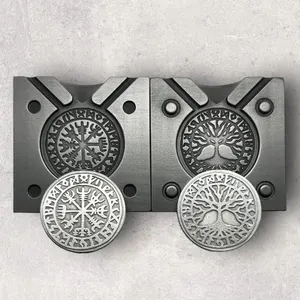
Graphite Molds: A Complete Guide to Uses, Benefits, and Applications
Graphite molds are widely used in modern manufacturing because they can handle high temperatures and provide reliable performance. Industries such as metal casting, jewelry making, glass production, electronics, and aerospace use these molds for different applications. Graphite is a unique material with excellent thermal conductivity, good machinability, and strong resistance to thermal shock. These qualities make graphite molds a practical choice when traditional metal molds may not perform well.
The demand for graphite molds continues to grow as manufacturers look for materials that improve production efficiency and product quality. A well-designed mold can create accurate shapes, reduce defects, and support repeated production cycles. However, choosing the right graphite grade and mold design is important for achieving the best results. This guide explains how graphite molds work, their major advantages, common applications, manufacturing process, maintenance requirements, and factors to consider before choosing one.
What Are Graphite Molds?
Graphite molds are specially machined molds made from graphite materials. They are used to shape molten metals, glass, and other materials into specific forms. The material is processed into blocks and then machined according to the required product design. Depending on the application, the mold may contain cavities, channels, gates, vents, or other detailed features.
One major reason for using graphite molds is their ability to withstand extreme temperatures. Many manufacturing processes involve molten materials that would quickly damage ordinary mold materials. Graphite can remain stable under high temperatures, making it useful for demanding production environments. It also transfers heat effectively, which can help control the cooling process. Better temperature control often leads to improved product consistency and reduced manufacturing problems.
Key Properties of Graphite Molds
The performance of graphite molds comes from the natural properties of graphite. One of the most important properties is high thermal conductivity. Heat can move efficiently through the material, helping manufacturers manage heating and cooling during production. This is especially useful when consistent temperature control affects the final quality of a product.
Graphite also has excellent thermal shock resistance. Rapid temperature changes can cause some materials to crack or deform. Graphite is generally better able to handle sudden heating and cooling. In addition, it is relatively easy to machine compared with many hard metals. Manufacturers can create detailed cavities and complex designs with greater flexibility. These combined properties make graphite molds suitable for both simple and highly specialized manufacturing processes.
Advantages of Using Graphite Molds
Graphite molds offer several important advantages over conventional mold materials. Their heat resistance allows them to work in high-temperature environments. This makes them useful for casting precious metals, non-ferrous metals, and other heat-intensive materials. Their thermal conductivity can also support more controlled cooling, which may improve the structure and surface quality of the finished part.
Another major advantage is machinability. Graphite can be shaped into precise designs using suitable machining equipment. This allows manufacturers to produce custom molds for specific products. Graphite also has good dimensional stability under many operating conditions. For businesses that require accurate and repeatable results, graphite molds can provide an effective manufacturing solution.
Common Applications of Graphite Molds
Graphite molds are used across many industries. In metal casting, they can be used to produce bars, rods, tubes, rings, and custom metal components. Jewelry manufacturers may use graphite molds when working with precious metals such as gold, silver, and platinum. The material’s ability to withstand high temperatures makes it useful during melting and casting operations.
The electronics industry also uses graphite in certain thermal and manufacturing applications. Glass processing, semiconductor production, and specialized industrial manufacturing may require graphite components because of their heat-related properties. In continuous casting operations, graphite molds can help guide molten material into a controlled shape. Each application may require a different graphite grade, density, strength, or surface finish.
Graphite Molds for Metal Casting
Metal casting is one of the most common uses of graphite molds. Molten metal is poured or directed into a prepared cavity, where it cools and takes the desired shape. Graphite can be particularly useful for casting non-ferrous metals and precious metals. The mold design plays an important role in controlling material flow, cooling speed, and final product quality.
A properly designed graphite mold can help reduce common casting problems such as incomplete filling, unwanted surface defects, or dimensional inconsistencies. The cavity must be accurately machined according to the required specifications. Manufacturers may also use coatings or treatments depending on the casting material and production requirements. Selecting the correct mold design can improve efficiency and reduce unnecessary material waste.
How Graphite Molds Are Manufactured
The production of graphite molds usually begins with selecting the correct grade of graphite. Different applications require different characteristics, including grain size, density, strength, and thermal performance. Once the material is selected, engineers create a design based on the required product dimensions and manufacturing process.
The graphite block is then machined using equipment such as CNC machines, milling machines, or other precision tools. Detailed cavities, channels, and surface features are created according to the design. After machining, the mold may be cleaned, inspected, and prepared for use. Quality control is important because even a small dimensional error can affect the final product. Proper manufacturing ensures that graphite molds provide consistent and reliable performance.
Choosing the Right Graphite Grade
Not all graphite materials are the same. The right grade depends on the operating temperature, material being cast, production volume, and required precision. Fine-grain graphite may be suitable for applications requiring detailed surfaces and accurate dimensions. Other grades may offer better strength or improved performance under specific thermal conditions.
Before purchasing graphite molds, manufacturers should understand the requirements of their process. The type of metal or material being processed is particularly important. Operating conditions, heating cycles, cooling requirements, and expected mold life should also be considered. Working with an experienced supplier can help businesses select a graphite material that matches their technical and production needs.
Maintenance and Care of Graphite Molds
Proper maintenance can help extend the working life of graphite molds. After use, the mold should be allowed to cool according to appropriate operating procedures. Sudden mechanical impacts should be avoided because graphite can be damaged by rough handling. Cleaning the mold carefully can also prevent unwanted material buildup from affecting future production cycles.
Regular inspection is another important part of maintenance. Manufacturers should check for cracks, wear, surface damage, or dimensional changes. If the mold is used repeatedly, its condition should be monitored to maintain consistent product quality. Proper storage is also helpful. Keeping graphite molds in a clean, dry, and protected environment can reduce the risk of accidental damage before the next production cycle.
Graphite Molds vs. Metal Molds
Graphite molds and metal molds both have important roles in manufacturing. Metal molds may offer excellent durability and can be suitable for high-volume production. However, they may require more complex machining and can behave differently under extreme temperature conditions. Graphite provides advantages in thermal performance, machinability, and resistance to thermal shock.
The best choice depends on the application. A manufacturer working with high-temperature processes may benefit from graphite’s heat resistance and thermal properties. A company producing a large number of identical components may consider factors such as mold life, cycle time, and total production cost. Comparing the operating requirements before making a decision can help businesses choose the most suitable material.
Factors That Affect the Performance of Graphite Molds
Several factors can influence the performance and lifespan of graphite molds. Operating temperature is one of the most important. Repeated heating and cooling cycles can gradually affect any mold material. The type of material being cast can also influence wear and surface condition.
Mold design is equally important. Proper cavity dimensions, wall thickness, and material flow can improve results. Poor design may lead to uneven cooling or product defects. Handling practices also matter. Careless loading, cleaning, or storage can cause physical damage. By selecting the right graphite grade, using an accurate design, and following proper maintenance procedures, manufacturers can improve the overall performance of their molds.
The Future of Graphite Molds in Manufacturing
As manufacturing technology continues to advance, graphite molds are expected to remain important in many specialized industries. The demand for precise components, advanced materials, and efficient production processes creates opportunities for improved graphite mold designs. Modern CNC machining also makes it easier to produce complex mold shapes with greater accuracy.
Industries are increasingly focused on reducing waste and improving production efficiency. High-quality graphite molds can support these goals by providing reliable performance and accurate shaping. Future developments in graphite materials and machining technology may further improve mold durability, precision, and application range. As a result, graphite will likely continue to be a valuable material in high-temperature and precision manufacturing.
Conclusion
Graphite molds are an important solution for manufacturers that require heat resistance, precision, thermal conductivity, and flexible machining. Their unique properties make them useful in metal casting, jewelry production, electronics, glass processing, and many other industrial applications. Choosing the correct graphite grade and mold design is essential for achieving reliable results.
With proper manufacturing, handling, and maintenance, graphite molds can support efficient and consistent production. Businesses should consider factors such as operating temperature, casting material, required precision, and expected production volume before selecting a mold. As technology continues to develop, graphite molds will remain a practical and valuable tool for industries that depend on accurate, high-temperature manufacturing processes.
FAQs About Graphite Molds
1. What are graphite molds used for?
Graphite molds are used to shape molten metals and other materials into specific forms. Common applications include metal casting, jewelry making, continuous casting, glass processing, and specialized industrial manufacturing.
2. Can graphite molds handle high temperatures?
Yes. Graphite is known for its ability to perform in high-temperature environments. This property makes it useful for manufacturing processes that involve molten or heated materials.
3. Are graphite molds easy to machine?
Yes. Compared with many hard mold materials, graphite can be machined relatively easily. This allows manufacturers to create detailed cavities, channels, and custom mold designs.
4. How long do graphite molds last?
The lifespan depends on the graphite grade, operating conditions, material being processed, handling practices, and maintenance. Proper use and regular inspection can help extend mold life.
5. What is the main advantage of graphite molds?
One major advantage is the combination of high-temperature resistance, thermal conductivity, thermal shock resistance, and machinability. These properties make graphite suitable for many demanding manufacturing applications.
6. How should graphite molds be maintained?
Graphite molds should be handled carefully, cleaned when necessary, inspected regularly, and stored in a protected environment. Avoiding unnecessary impacts and improper handling can help prevent damage.