
Robotic Laser Welding: A Complete Guide to Modern Precision Manufacturing
Robotic laser welding is changing the way manufacturers join metal parts. It combines the accuracy of industrial robots with the speed and precision of laser technology. This advanced process is now used in automotive, aerospace, electronics, medical equipment, and many other industries.
Traditional welding methods often require significant human effort and can produce inconsistent results. Robotic laser welding helps solve these problems by using automated systems that can repeat the same welding process with high accuracy. The technology can create strong, clean, and precise welds while reducing production time.
As industries continue to demand better quality and faster production, robotic laser welding is becoming an important part of modern manufacturing. This article explains how the technology works, its benefits, applications, challenges, and future potential.
What Is Robotic Laser Welding?
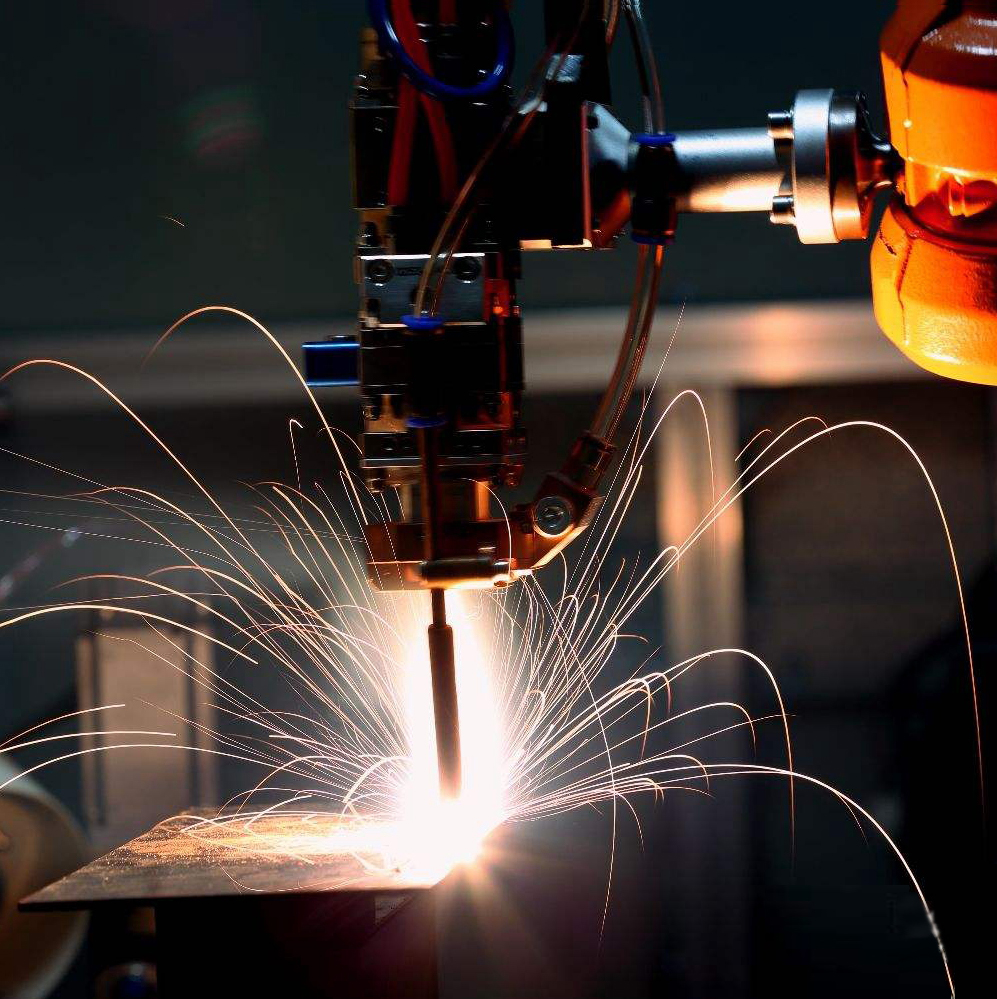
Robotic laser welding is an automated welding process that uses a high-powered laser beam controlled by an industrial robot. The laser generates intense heat that melts the material at the welding point. As the material cools, the parts become permanently joined.
The robot moves the laser welding head along a programmed path. This allows the system to create highly accurate welds on simple or complex parts. The robot can reach different angles and positions that may be difficult for a human welder.
A typical robotic laser welding system includes a laser source, industrial robot, welding head, control software, safety equipment, and monitoring tools. These components work together to deliver consistent results during production.
How Does Robotic Laser Welding Work?
The process begins by placing the workpieces in the correct position. Fixtures or automated clamping systems hold the components securely. The robotic system then follows a programmed welding path.
The laser beam focuses a large amount of energy on a very small area. This creates rapid heating and melts the material. Depending on the application, the system may use filler material or join the existing materials directly.
The robot moves continuously along the weld path while the laser maintains the required power and focus. Advanced sensors can monitor the welding process in real time.
After the laser passes over the joint, the molten material cools and forms a strong weld. The entire process can happen very quickly, making robotic laser welding suitable for high-volume manufacturing.
Major Benefits of Robotic Laser Welding
One of the biggest advantages of robotic laser welding is precision. Robots can follow programmed paths repeatedly with very small variations. This helps manufacturers maintain consistent weld quality.
Speed is another major benefit. Laser welding can often be completed faster than traditional welding methods. Automated robotic movement also reduces unnecessary handling and production delays.
The process produces a concentrated heat source. This means the surrounding material experiences less heat compared with some conventional welding methods. Lower heat input can reduce distortion and help protect sensitive components.
Robotic laser welding can also improve workplace safety. Operators can monitor automated systems instead of working directly near intense heat and welding arcs.
Other important benefits include:
- High welding accuracy
- Fast production speeds
- Consistent weld quality
- Reduced material distortion
- Flexible robotic movement
- Lower dependence on manual labor
- Better production repeatability
- Easier automation of complex tasks
Types of Lasers Used in Robotic Welding
Different laser technologies can be used depending on the material and application. Fiber lasers are widely used because they offer high efficiency and strong beam quality. They are suitable for many industrial metal welding tasks.
CO2 lasers were historically important in industrial laser processing. However, modern fiber laser systems have become popular in many applications due to their efficiency and easier integration.
Disk lasers are another option for high-performance industrial welding. These systems can provide excellent beam quality and are useful for demanding manufacturing processes.
The choice of laser depends on several factors. These include material type, thickness, welding speed, joint design, production requirements, and budget.
Manufacturers must carefully select the correct laser system to achieve the desired weld quality and productivity.
Applications in the Automotive Industry
The automotive industry is one of the largest users of robotic laser welding. Modern vehicles contain many metal components that require strong, accurate, and repeatable joints.
Manufacturers use automated laser welding for body panels, battery components, exhaust parts, transmission systems, and structural assemblies. Electric vehicle production has also increased the importance of advanced welding technology.
Battery manufacturing requires careful control because many components are sensitive to excessive heat. Robotic laser welding can provide localized heating and precise control.
Automation also helps automotive companies produce thousands of similar components every day. Robots can operate continuously and maintain programmed welding patterns.
As vehicle designs become lighter and more complex, robotic laser welding is expected to play an even greater role in automotive production.
Aerospace and High-Precision Manufacturing
Aerospace manufacturing requires extremely high standards. Components must meet strict requirements for strength, accuracy, and reliability.
Robotic laser welding can be used to create precise joints on selected aerospace components. The technology is especially useful when manufacturers need consistent results and controlled heat input.
Complex shapes are common in aerospace production. Industrial robots can move around complicated parts and follow detailed welding paths. This flexibility can reduce the need for multiple manual welding setups.
High-precision manufacturing industries also benefit from automated laser welding. Electronics, medical devices, sensors, and specialized machinery may require small and accurate welds.
Quality monitoring systems can further improve production by detecting possible welding issues during the process.
Important Factors That Affect Weld Quality
Successful robotic laser welding depends on more than simply using a powerful laser. Several factors must be carefully controlled.
Laser power is important because insufficient energy may create a weak joint. Excessive power can damage the material or create unwanted defects.
Welding speed also affects the final result. If the robot moves too quickly, the laser may not create enough penetration. If it moves too slowly, excessive heat may affect the surrounding material.
Material preparation is another important factor. Surfaces should be clean and properly aligned. Dirt, oil, rust, or large gaps can negatively affect weld quality.
The focus position of the laser must also remain accurate. Modern systems may use sensors and vision technology to track the welding position.
Proper programming, maintenance, and quality inspection are essential for achieving reliable results.
Challenges of Robotic Laser Welding
Despite its advantages, robotic laser welding also has challenges. The initial investment can be expensive. Companies may need to purchase robots, laser equipment, safety systems, fixtures, and specialized software.
System integration can also be complex. The robot, laser, sensors, and production equipment must work together correctly.
Highly reflective materials can create additional challenges. Materials such as copper and aluminum may require specialized laser settings and process control.
Operators and engineers also need technical training. Programming robots and maintaining laser systems requires knowledge and experience.
For small businesses with limited production volumes, the cost of automation may not always provide an immediate return on investment. However, the technology can become more valuable as production requirements increase.
The Role of Automation and Artificial Intelligence
Automation is making robotic laser welding smarter and more efficient. Modern systems can use cameras, sensors, and real-time monitoring tools to observe the welding process.
Machine vision can help robots identify the position of components. Seam-tracking technology can adjust the welding path when parts are not perfectly aligned.
Artificial intelligence may also help manufacturers analyze production data. Smart systems can identify patterns that may lead to defects or equipment problems.
Predictive maintenance is another important development. Sensors can monitor the condition of equipment and help companies schedule maintenance before a serious failure occurs.
These technologies can improve productivity while reducing waste and downtime.
Safety Considerations for Laser Welding Robots
Safety is extremely important when working with industrial lasers. High-powered laser beams can cause serious injuries if proper safety procedures are not followed.
Robotic laser welding cells usually include protective enclosures, safety interlocks, emergency stop systems, and controlled access areas.
Workers should receive proper training before operating or maintaining the equipment. Protective measures must also address hazards related to electricity, fumes, moving robots, and hot materials.
Regular equipment inspections can help identify damaged components or safety problems. Manufacturers should follow applicable laser safety standards and workplace regulations.
A properly designed robotic welding cell protects workers while allowing the system to operate efficiently.
The Future of Robotic Laser Welding
The future of robotic laser welding looks promising. Manufacturing companies are increasingly focused on automation, productivity, and consistent quality.
Electric vehicles, renewable energy systems, advanced electronics, and aerospace technologies are creating new demand for precise manufacturing methods.
Future systems will likely include better sensors, faster robots, smarter software, and improved artificial intelligence. Collaborative automation may also make robotic systems easier to use alongside human workers.
Laser technology is also continuing to improve. More efficient and flexible laser systems can help manufacturers process a wider range of materials.
As equipment becomes more accessible, robotic laser welding may become practical for a larger number of businesses.
Why Businesses Are Investing in Robotic Laser Welding
Businesses invest in robotic laser welding because it can improve both quality and productivity. Automated systems can perform repetitive tasks without the same level of variation that may occur during manual production.
The technology can also help companies respond to growing production demands. A well-designed system can operate for long periods with proper supervision and maintenance.
Although the initial cost can be significant, businesses may achieve long-term benefits through higher productivity, reduced waste, and improved consistency.
Companies should evaluate their production volume, material requirements, product design, and quality goals before investing. A robotic laser welding system should be selected based on the specific needs of the manufacturing operation.
Conclusion
Robotic laser welding is an advanced manufacturing technology that combines laser precision with robotic automation. It provides fast, accurate, and repeatable welding for a wide range of industries.
From automotive production to aerospace manufacturing, robotic laser welding helps companies create strong and precise joints while improving efficiency. The technology can reduce production time, control heat input, and support consistent quality.
While the initial investment and technical requirements can be challenging, the long-term advantages can be significant. As automation, sensors, and artificial intelligence continue to develop, robotic laser welding will likely become even smarter and more widely used.
For manufacturers looking to improve precision, productivity, and process consistency, robotic laser welding represents an important step toward the future of modern industrial production.