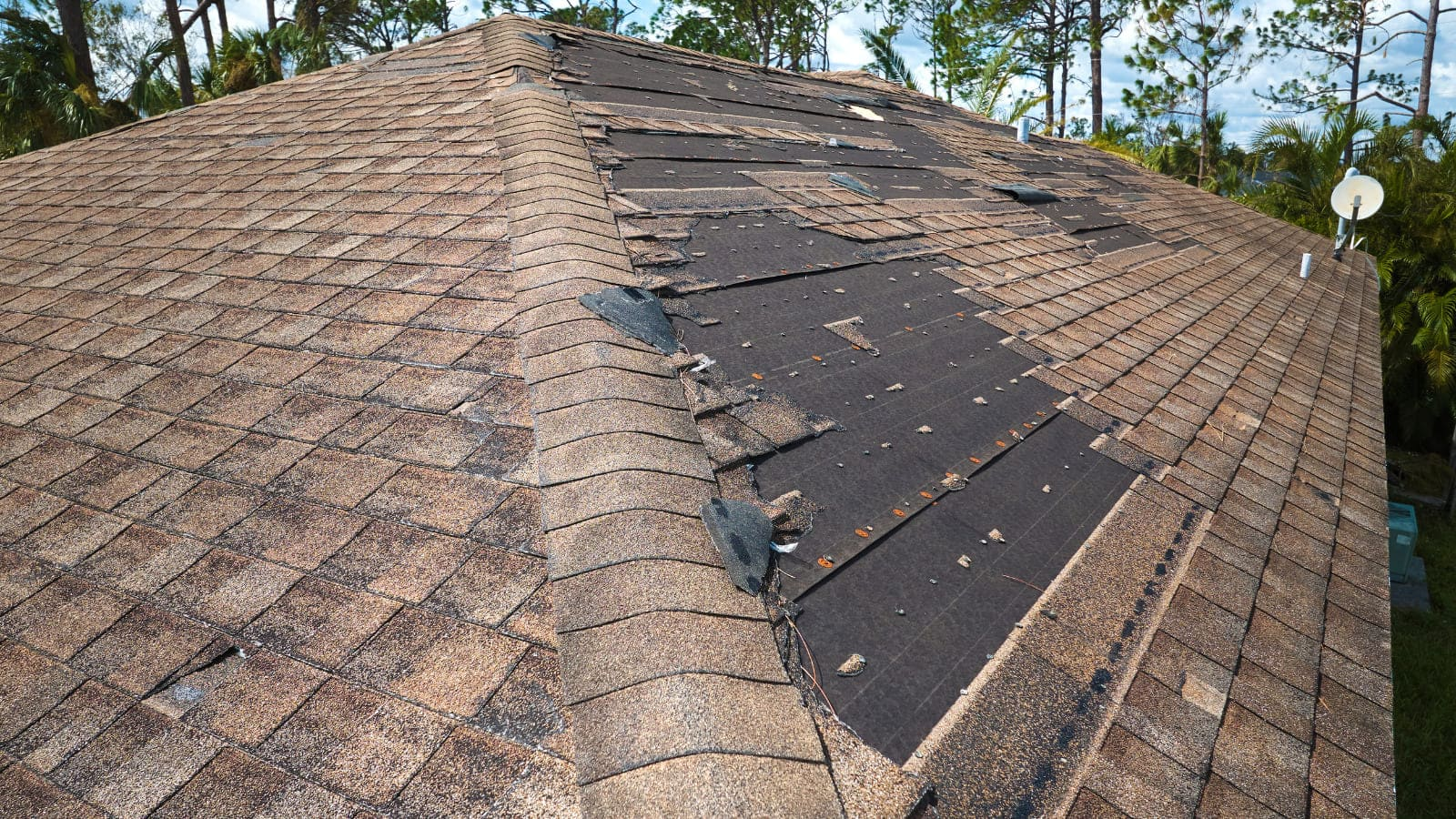
How Moisture Gets in Around Dormers and Raised Roof Sections
It is easy to assume a roof leak starts with something obvious, like a missing shingle or a branch that caused visible damage. In reality, leaks often begin where the roof changes shape. Dormers and raised roof sections are a good example. These areas create joints, corners, and seams that have to do more work than the rest of the roof surface. When moisture gets in around those transitions, the problem can stay hidden for a while before it shows up indoors. That is one reason homeowners looking into roof repair cedar city often end up dealing with damage that started much earlier than they realized.
What makes these sections tricky is that they are not flat, simple stretches of roofing. They involve walls meeting slopes, flashing layered into tight spaces, and materials that expand and contract over time. Even when everything looks fine from the ground, a small gap in one of those areas can be enough to let water work its way beneath the surface. Once that happens, moisture may move along wood framing or roof decking before it ever creates a stain that gets noticed inside.
Why These Areas Leak More Easily
A dormer or raised section interrupts the normal flow of water across the roof. Instead of flowing down one open slope, rain has to pass around corners, run along edges, and shed off vertical surfaces. That puts more pressure on the materials that seal those points.
Flashing is usually the main line of defense there. It is meant to direct water away from the seam where the roof meets a wall or change in elevation. But flashing can only do that job if it stays tight, properly layered, and well sealed. When the metal shifts, the sealant dries out, or nearby shingles no longer sit flat, water can seep into the opening.
That is why these areas often develop leaks before the middle of the roof does. The roof may still have years of life left overall, yet a weak point around a raised section can cause trouble much sooner.
Small Gaps Can Cause Big Problems
One of the tricky things about roof leaks is that they do not need a large opening to cause problems. A tiny gap around flashing or a shingle that has lifted just a little can be enough. When rain gets pushed around by wind, it can sneak into places that seem too small to matter. Once water gets under the surface, it can move along the roof decking or soak into nearby materials rather than drip straight down.
That is why a leak does not always show up right under the spot where it started. You might notice a stain in one corner of a ceiling, even though the water actually got in somewhere else. By the time paint starts bubbling, or drywall changes color, moisture has usually been getting in for longer than most people realize.
Flashing Is Often the Weak Point
Flashing around dormers and raised roof sections has a lot to deal with. Those areas are exposed to sun, rain, wind, and constant movement as the roof heats up during the day and cools down at night. Over time, that back-and-forth can wear on the materials, loosen fasteners, and put stress on the points where everything overlaps.
Sometimes the issue is just age. Sealant can dry out, crack, and stop holding as well as it used to. Other times, the problem comes down to how the area was put together in the first place. If the flashing was not installed properly or the shingles were cut too tightly against a wall, water is more likely to be pushed into that joint during a storm.
Even a well-installed roof can run into trouble when debris starts to build up there. Leaves, pine needles, and dirt can hold water in the same spot longer than they should. When that happens around a roof transition, moisture has more time to work its way into a weak spot.
Why the Damage Spreads Quietly
Moisture around dormers and raised roof sections can do damage for a while before anything obvious shows up inside. Wood can slowly soak it in, insulation can get damp without actually dripping, and metal fasteners can start to rust. In some cases, the roof decking begins to weaken before there is ever a noticeable stain on the ceiling.
That is part of what makes these leaks easy to miss. At first, the signs can be subtle. You might notice a faint musty smell, a small discolored spot, or paint that looks a little off. But while those signs seem minor, moisture may already be working its way through more than one layer of the roof.
If that same spot keeps getting wet and never fully dries out, the problem usually gets worse. The materials around it start to weaken, nearby shingles can loosen, and what could have been a simple repair can turn into a bigger issue involving the whole surrounding area.
Signs Worth Paying Attention To
Not every roof leak announces itself with dripping water. Around dormers and raised roof sections, the warning signs are often more subtle at first.
- A few things may point to trouble:
- Peeling paint or bubbling drywall near the upper part of a wall
- Stains that darken after rain
- Musty smells in upper rooms or attic spaces
- Warped trim near ceiling corners
- Damp insulation or discolored wood in the attic
These clues do not always prove the leak is directly overhead, but they do suggest moisture is moving through the structure somewhere. That is enough reason to have the roof checked before the issue spreads further.
When a Repair Is Simpler
The good news is that not every problem around these sections means major roof work is needed. If the issue is caught early, a focused repair may be enough. Replacing damaged flashing, resealing a vulnerable joint, or correcting a small section of roofing material can often stop the leak before it reaches deeper layers.
That is one reason prompt attention matters. A limited repair is far more likely when the wood beneath is still sound, and the surrounding materials have not yet failed. Homeowners dealing with roof repair cedar city concerns usually benefit most when the source is identified before repeated moisture exposure turns a localized issue into broader roof damage.
Conclusion
Dormers and raised roof sections are more likely to leak because they are some of the most complex parts of the roof. They have more seams, more corners, and more transition points, which means more places where water can seep in. If flashing starts to loosen, sealant begins to crack, or shingles shift out of place even a little, moisture can slip in without being obvious right away.
That is why leaks in these areas should not be brushed off as minor. What you see inside the house is often just the surface of the problem. Finding the issue early can keep the repair more manageable, protect the underlying materials, and help prevent a small, weak spot from turning into a much more expensive repair.