Servo Robot: A Complete Guide to Robotic Automation
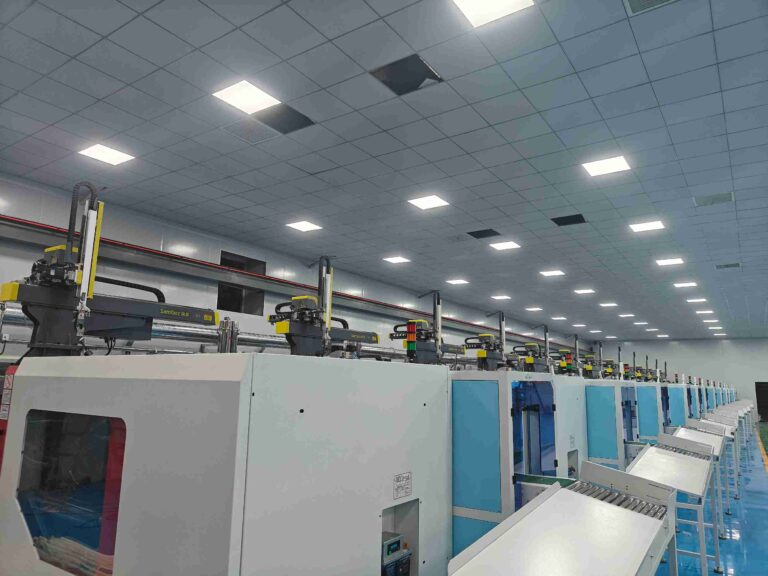
A servo robot is an automated machine designed to perform precise movements using servo motors and feedback systems. These robots are widely used in modern manufacturing because they can complete repetitive tasks with speed, accuracy, and consistency.
Servo robots can handle materials, assemble products, package goods, load machines, and perform inspection tasks. Their movements can be programmed according to specific production needs.
Unlike simple motor-driven machines, servo systems use feedback to monitor movement. This allows the robot controller to make adjustments during operation. As a result, servo robots can achieve controlled and repeatable motion.
As industrial automation continues to develop, servo robots are becoming useful in factories of different sizes. Understanding their components, applications, benefits, and maintenance requirements can help businesses choose the right robotic solution.
H2 Heading List
- What Is a Servo Robot?
- How Does a Servo Robot Work?
- Key Components of a Servo Robot
- Role of Servo Motors in Robotics
- Types of Servo Robots
- Servo Robot Accuracy and Repeatability
- Major Benefits of Servo Robots
- Servo Robots in Manufacturing
- Servo Robots for Assembly
- Servo Robots for Pick and Place
- Servo Robots in Packaging
- Servo Robots for Machine Tending
- Vision-Guided Servo Robots
- Servo Robot Safety Features
- How to Choose a Servo Robot
- Servo Robot Maintenance
- Common Servo Robot Challenges
- Frequently Asked Questions
- Final Thoughts
What Is a Servo Robot?
A servo robot is a robotic system that uses servo motors to create controlled and precise movement. Servo motors are connected to drives and controllers that determine how the robot moves.
These robots can operate across one or several axes. Each axis can be controlled independently or coordinated with other axes.
Servo robots are useful when a production process requires accurate positioning. They can repeat programmed movements many times while maintaining consistent performance.
How Does a Servo Robot Work?
A servo robot works through communication between its controller, servo drives, motors, and feedback devices.
The robot controller sends a movement command to a servo drive. The drive controls the motor based on that command. An encoder or similar feedback device reports the motor’s actual position.
The controller compares the desired position with the actual position. If there is a difference, the system can adjust the motor’s movement.
This closed-loop process allows the robot to maintain controlled motion during its operation.
Key Components of a Servo Robot
Several components make up a servo robotic system. The servo motor creates the mechanical movement needed for the task.
The servo drive controls electrical power delivered to the motor. The robot controller manages the programmed sequence and coordinates different axes.
Encoders provide feedback about position and speed. Mechanical parts such as gears, joints, arms, and linear mechanisms transfer motor movement.
End-effectors are attached to the robot and interact with products. They can include grippers, suction cups, clamps, welding tools, or specialized equipment.
Role of Servo Motors in Robotics
Servo motors are important because they provide controlled movement. They can respond to commands related to position, speed, and torque.
The feedback system allows the controller to monitor motor behavior. This differs from a basic motor system that may not continuously measure its exact position.
Multiple servo motors can work together. Coordinated motion allows robotic arms and automated machinery to perform complex production movements.
Types of Servo Robots
Servo technology can be used in several robot designs. Articulated robots use multiple rotating joints and are common in industrial applications.
SCARA robots are designed for fast and precise horizontal movement. They are often used for assembly and material handling.
Cartesian robots move along linear axes. They can be suitable for applications that require predictable movement within a defined workspace.
Delta robots are designed for high-speed pick-and-place operations. The best type depends on payload, reach, speed, workspace, and application requirements.
Servo Robot Accuracy and Repeatability
Accuracy and repeatability are important characteristics of robotic automation.
Accuracy describes how closely the robot reaches a desired position. Repeatability describes how consistently the robot returns to the same position.
These characteristics are valuable in assembly, inspection, machine tending, and material handling. Actual performance can depend on robot design, payload, calibration, tooling, environmental conditions, and controller settings.
Major Benefits of Servo Robots
Servo robots can provide consistent performance during repetitive production tasks. They can operate for extended periods without fatigue.
Automation can also reduce the amount of manual handling required for certain processes. Robots can perform tasks at a programmed speed and repeat the same sequence consistently.
Another benefit is flexibility. Many robots can be reprogrammed when production requirements change.
Servo control also provides precise motion management. This can be useful for applications where accurate positioning is important.
Servo Robots in Manufacturing
Manufacturing facilities use robots for many different processes. A servo robot can move components, assemble parts, handle materials, and transfer products between machines.
Robots can also be integrated with conveyors and programmable logic controllers. This allows different pieces of equipment to communicate during production.
The robot’s size and configuration should match the workload. Payload, reach, speed, and cycle time are important factors when designing an automated process.
Servo Robots for Assembly
Assembly tasks often require consistent positioning. A servo robot can place components in specific locations according to programmed instructions.
For example, a robot may position parts before fastening, pressing, or joining operations. The robot can repeat the same movement throughout a production cycle.
Sensors and vision systems can further improve flexibility. They can provide information about component position and orientation.
Servo Robots for Pick and Place
Pick-and-place is one of the most common robotic applications. The robot picks an item from one location and places it somewhere else.
Servo control allows the robot to move smoothly between programmed positions. Different end-effectors can be used depending on the shape and weight of the product.
These systems are used in industries such as electronics, food processing, packaging, automotive production, and consumer goods.
Servo Robots in Packaging
Packaging lines often require fast and repetitive movements. Servo robots can place products into boxes, sort items, arrange products, or transfer packages.
Robots can work with conveyors and sensors to identify products as they move through a production line.
Their programmable movement makes them suitable for different package sizes and production patterns.
Servo Robots for Machine Tending
Machine tending involves loading and unloading equipment such as CNC machines.
A servo robot can pick up a raw component, place it inside a machine, wait for the operation to finish, and remove the processed part.
Automating this process can reduce repetitive manual handling. It can also help maintain consistent machine loading and unloading cycles.
Vision-Guided Servo Robots
Vision systems can provide robots with information about objects in their workspace. Cameras capture images, and software processes the information.
A vision-guided servo robot can identify an item’s location or orientation before picking it up.
This technology is useful when products are not always positioned exactly the same way. Applications can include sorting, inspection, assembly, and automated picking.
Servo Robot Safety Features
Safety is an important part of industrial robotics. Systems may include emergency stops, protective barriers, safety sensors, and monitored access points.
Some collaborative robotic systems include additional features designed for applications where people and robots work in close proximity.
Safety requirements depend on the robot, application, workplace, and applicable regulations. Proper risk assessment and installation are essential.
How to Choose a Servo Robot
Start by identifying the exact task. Determine the required payload, reach, speed, cycle time, accuracy, and workspace.
Consider the type of end-effector required. Tooling can have a major effect on robot performance.
Controller compatibility is also important. The robot should be able to communicate with other equipment in the production line.
Finally, consider installation, programming, training, spare parts, maintenance, and technical support.
Servo Robot Maintenance
Regular maintenance can help keep a robotic system reliable. Operators and technicians should inspect cables, motors, joints, gears, sensors, and other components.
Mechanical components may require lubrication according to the manufacturer’s recommendations.
Unusual noise, vibration, positioning errors, or repeated alarms can indicate a problem that needs attention.
Preventive maintenance can help identify wear before it causes unexpected production downtime.
Common Servo Robot Challenges
Servo robots can require a significant initial investment. Installation, programming, tooling, and employee training can also add to project costs.
Poor application planning can create problems. Incorrect payload calculations or unsuitable tooling may reduce performance.
Another challenge is system integration. The robot must communicate correctly with conveyors, machines, sensors, controllers, and safety equipment.
Proper planning and technical support can help address these challenges.
Frequently Asked Questions
What is a servo robot used for?
Servo robots are used for assembly, material handling, packaging, pick-and-place, machine tending, inspection, and other automated tasks.
Why are servo motors used in robots?
Servo motors provide controlled movement and feedback, allowing robots to manage position, speed, and torque.
Are servo robots programmable?
Yes. Industrial servo robots can normally be programmed for specific tasks and movement sequences.
Can a servo robot use a camera?
Yes. Vision systems can guide robots by providing information about product location and orientation.
Do servo robots need regular maintenance?
Yes. Regular inspection and preventive maintenance can help maintain performance and reduce unexpected downtime.
What should I consider before buying a servo robot?
Consider payload, reach, speed, accuracy, cycle time, tooling, workspace, controller compatibility, safety, maintenance, and technical support.
Final Thoughts
A servo robot combines robotic automation with precise motor control. Its feedback-based system allows controlled and repeatable movement across many industrial applications.
From assembly and packaging to machine tending and inspection, servo robots can automate repetitive operations while maintaining consistent motion.
The right system depends on the production task, payload, workspace, speed, accuracy, tooling, and integration requirements. Careful planning, proper safety measures, programming, and maintenance can help a servo robot deliver reliable performance over its working life.