Mini Traffic Lights: A Complete Guide
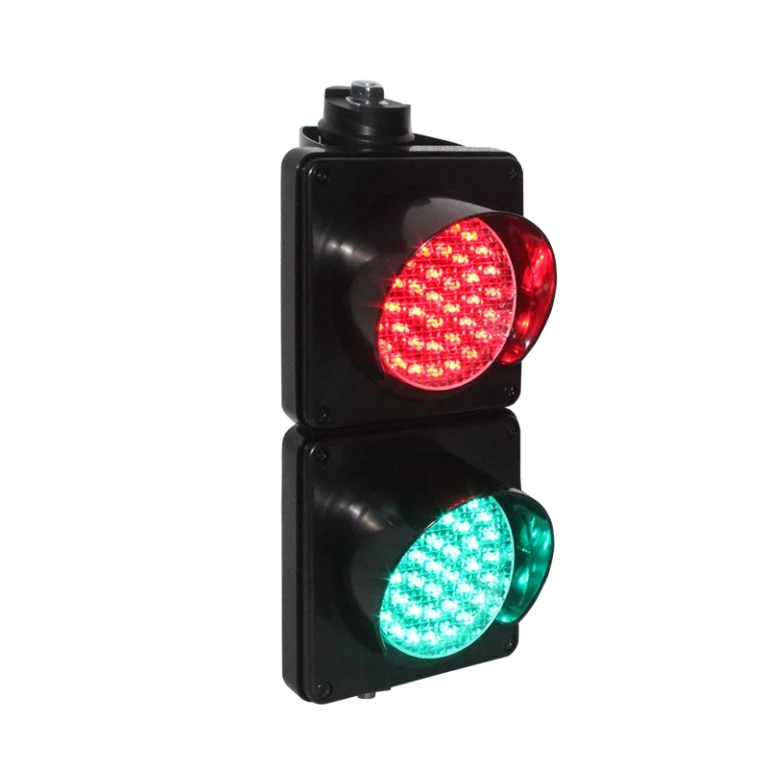
Mini traffic lights are compact versions of traditional traffic signal systems designed for small-scale applications. Although they are much smaller than the traffic lights installed on public roads, they can perform similar functions by controlling movement, teaching traffic rules, improving safety, or adding realistic details to models and displays. Mini traffic lights are commonly used in educational projects, children’s play areas, miniature cities, road-model displays, parking systems, and DIY electronics projects.
These small traffic signals are available in different designs, sizes, materials, and operating methods. Some models work manually, while others use batteries, USB power, remote controls, sensors, or programmable electronic components. Their versatility makes them useful for both educational and decorative purposes.
What Are Mini Traffic Lights?
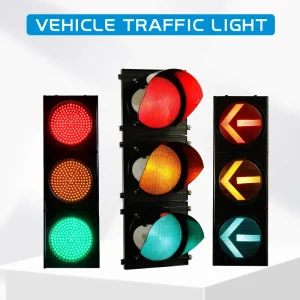
Mini traffic lights are small-scale traffic signal units that usually feature the familiar red, yellow, and green lights. They are designed to represent or replicate the operation of standard traffic signals on a smaller scale.
Depending on the model, mini traffic lights can include LED bulbs, plastic or metal housing, wiring, circuit boards, timers, and control switches. Some advanced versions can automatically change colors at specific intervals.
They are particularly popular for model roads and science projects because they provide an easy way to demonstrate how traffic signals work.
Common Uses of Mini Traffic Lights
Mini traffic lights can be used in many different environments. Some of the most common applications include:
- School projects: Students can use them to demonstrate basic traffic management and electrical circuits.
- Road models: Miniature roads and city models look more realistic when traffic signals are included.
- Children’s learning: They can help children understand basic road-safety rules.
- Toy cities: Mini traffic lights can be added to toy roads, train sets, and miniature towns.
- Parking models: They can demonstrate vehicle movement and parking-control systems.
- DIY electronics: Hobbyists can connect them to microcontrollers and sensors.
- Decorations: Some miniature traffic lights are used as decorative items in offices, bedrooms, and themed spaces.
- Exhibitions: Models of cities and transportation systems often use miniature signals to create realistic displays.
Types of Mini Traffic Lights
There are several types of mini traffic lights available, depending on their purpose and operating system.
LED Mini Traffic Lights
LED models are among the most common types. LEDs consume relatively little electricity and can produce bright, clearly visible colors. They are especially suitable for school projects and electronic experiments.
Battery-Powered Mini Traffic Lights
Battery-powered models are convenient because they do not require a permanent electrical connection. They can be placed almost anywhere and are useful for toys, displays, and temporary projects.
USB-Powered Mini Traffic Lights
USB-powered versions can be connected to computers, power banks, adapters, and other USB-compatible power sources. They are convenient for indoor displays and long-running projects.
Programmable Mini Traffic Lights
Programmable traffic lights can be controlled using electronic boards such as Arduino-compatible microcontrollers. Users can program different timing sequences and create more advanced traffic-control demonstrations.
How Do Mini Traffic Lights Work?
The basic operation of a mini traffic light is similar to a conventional traffic signal. The lights usually follow a sequence:
- Red light: Vehicles should stop.
- Green light: Vehicles can move when the road is clear.
- Yellow light: Drivers should prepare to stop or proceed according to the applicable traffic rules.
In a simple electronic model, a circuit controls which LED is switched on. A timer or microcontroller can determine how long each light remains active.
More advanced projects can incorporate sensors. For example, an infrared or ultrasonic sensor can detect an object and send information to a microcontroller, which then changes the signal sequence.
Benefits of Using Mini Traffic Lights
Mini traffic lights offer several advantages, especially for education and creative projects.
- Easy to understand: The red-yellow-green system provides a simple visual demonstration.
- Educational: They can teach children about road safety, sequencing, electricity, and basic programming.
- Compact: Their small size makes them suitable for desks, classrooms, and model displays.
- Customizable: Many models can be modified with different circuits, timers, or sensors.
- Energy efficient: LED-based models generally require relatively little power.
- Affordable: Basic models can be inexpensive compared with larger educational equipment.
- Reusable: A good-quality miniature signal can be used for multiple projects.
Mini Traffic Lights for School Projects
Mini traffic lights are particularly useful for science and technology assignments. Students can build a miniature road intersection using cardboard, craft materials, wires, LEDs, and a small controller.
A basic project can demonstrate how three LEDs operate in sequence. More advanced students can program a microcontroller to control the timing automatically.
For example, a project could be designed so that the red light remains on for a specific period, followed by green and then yellow. Students can explain the circuit, programming logic, and purpose of each signal during a classroom presentation.
Features to Consider Before Buying
When choosing mini traffic lights, several features should be considered:
- Size: Choose a size that fits the intended model or display.
- Power source: Check whether the unit uses batteries, USB, or another power supply.
- Light type: LED lights are generally a practical choice for miniature projects.
- Control method: Determine whether the lights are manual, automatic, remote-controlled, or programmable.
- Material: Plastic models are lightweight, while metal constructions may offer greater durability.
- Installation: Consider whether the signal can be mounted on a model road, table, wall, or other surface.
- Visibility: Make sure the lights are bright enough for the intended environment.
- Safety: For children’s projects, choose products designed with appropriate low-voltage components.
DIY Mini Traffic Lights
Making mini traffic lights at home can be an enjoyable electronics project. A basic setup can include three LEDs—red, yellow, and green—along with resistors, connecting wires, a breadboard, and a small controller or suitable circuit.
The LEDs can be programmed or wired so that only the appropriate light operates at a particular time. This allows students and hobbyists to learn about electrical connections, timing, programming, and automation.
When building an electronic project, it is important to use the correct voltage and suitable resistors to protect the LEDs and other components.
Mini Traffic Lights and Road Safety Education
Mini traffic lights can make road-safety lessons more interactive. Instead of simply explaining what red, yellow, and green signals mean, teachers can demonstrate them using a miniature road layout.
Children can use toy cars and pedestrians to practice basic concepts such as stopping at a red signal, waiting for the appropriate signal, and crossing roads safely.
However, miniature models should be treated as educational tools. Actual road signs, signals, and traffic laws can vary between locations, so children should also learn the official rules applicable in their area.
Conclusion
Mini traffic lights are versatile tools that combine education, creativity, electronics, and transportation concepts. They can be used in school assignments, model cities, toy roads, exhibitions, DIY electronics projects, and decorative displays.
From simple battery-powered LED models to programmable systems with sensors, there is a wide range of options available. Their compact size and recognizable red-yellow-green design make them easy to incorporate into many different projects.
Whether you are a student creating a science model, a hobbyist building a miniature city, or a teacher looking for an interactive road-safety demonstration, mini traffic lights can add both functionality and realism to your project.