The Complete Guide to Graphite Stirring Rods: Applications, Advantages, and Best Practices
In metallurgical, chemical, and laboratory applications, selecting the right equipment for molten material management is critical to safety, purity, and efficiency. Among the essential tools used across these industries, the graphite stirring rod stands out as an indispensable component. Renowned for its unique combination of thermal, chemical, and physical properties, this simple yet effective tool plays a pivotal role in maintaining homogenization during high-temperature processes.
Understanding the Graphite Stirring Rod
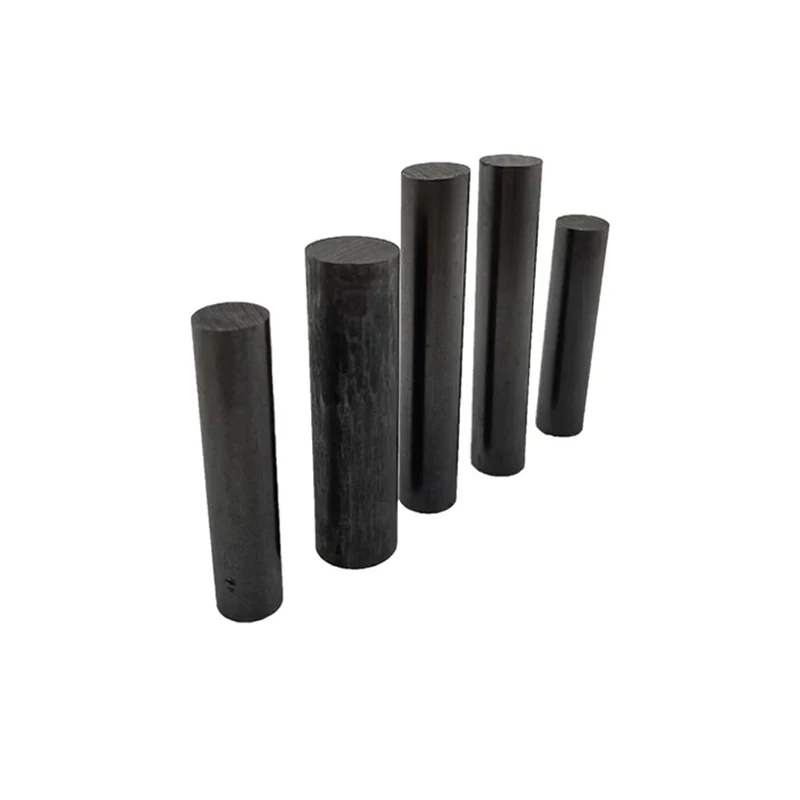
A graphite stirring rod is a cylindrical implement manufactured from high-density, high-purity synthetic or natural graphite. Designed to endure extreme conditions, it is primarily used to manually or mechanically mix molten metals, slag, chemicals, and glass solutions without introducing contamination or breaking under sudden thermal changes.
Graphite itself is an allotrope of carbon where atoms are arranged in a hexagonal lattice structure. This crystalline arrangement endows graphite with exceptional properties—combining high electrical and thermal conductivity with lubricating properties and high thermal resistance. When formed into a rod, it becomes an ideal material for stirring substances at temperatures where traditional materials like steel, quartz, or ceramics would degrade, react, or shatter.
Key Properties of Graphite Stirring Rods
The widespread adoption of graphite stirring rods across heavy industries and laboratories stems from several distinct physical and chemical characteristics.
High Thermal Resistance and Shock Tolerance
Graphite possesses an remarkably high melting point, sublimating only at temperatures exceeding 3,600°C (6,500°F). In practical furnace environments, graphite stirring rods routinely operate at temperatures well above 1,000°C. Furthermore, they feature an extremely low coefficient of thermal expansion, meaning they can be plunged into molten liquids without cracking due to sudden temperature shifts—a phenomenon known as thermal shock resistance.
Chemical Inertness and Non-Reactivity
One of the main challenges in liquid metallurgy and chemistry is unwanted reactions between the stirring tool and the melt. High-purity graphite is chemically inert to most non-ferrous molten metals, acids, and slag compositions. It does not react easily with elements like gold, silver, copper, or brass, ensuring that the purity of the alloy remains untainted during processing.
Non-Wetting Characteristics
Graphite exhibits strong non-wetting properties when brought into contact with most molten metals and glass formulations. Liquid metals do not stick to the surface of the rod, which allows for smooth stirring, minimal material loss, easy cleaning, and reduced maintenance overhead.
Thermal Conductivity and Heat Distribution
Because graphite is an excellent conductor of heat, the rod quickly reaches thermal equilibrium with the melt. This uniform heat distribution prevents localized cold spots in the solution during mixing and ensures consistent viscosity across the entire batch.
Primary Applications in Industry and Research
Given its unique feature set, the graphite stirring rod finds critical use in a broad array of processing environments.
Precious Metal Refining and Jewelry Making
In the refining and casting of precious metals like gold, silver, and platinum, maintaining exact chemical purity is paramount. Jewelers and precious metal refiners rely on high-purity graphite rods to mix fluxes into the melt, skim off impurities, and ensure that alloying elements are evenly distributed prior to pouring into ingot molds.
Non-Ferrous Metal Casting and Metallurgy
Foundries working with copper, aluminum, brass, and bronze utilize graphite rods during the melting and degassing phases. Stirring helps eliminate trapped gases and promotes uniform temperature throughout the crucible, preventing voids and structural defects in the final cast components.
Laboratory Synthesis and Chemical Processing
In research environments, custom high-density graphite rods are frequently employed to stir highly reactive or corrosive high-temperature liquids. Their resistance to acidic media and high heat renders them superior to glass or plastic stirrers in high-energy chemical synthesis.
Glassblowing and Glass Manufacturing
When working with molten glass, tools must resist sticking while providing enough structural rigidity to shape or manipulate the liquid batch. Graphite rods are routinely used to stir glass colors, manipulate molten gathers, and skim surface dross without leaving unwanted residue or altering the clarity of the glass.
Advantages of Using Graphite Over Alternative Materials
While tools made from steel, quartz, or ceramics are available, graphite offers distinct advantages in specific thermal ranges.
Metal rods made of iron or stainless steel can melt or dissolve into non-ferrous melts, contaminating the batch with unwanted impurities. Ceramic rods, while heat-resistant, are brittle and prone to catastrophic thermal shock failure if introduced to rapid temperature gradients. Quartz rods present similar fragility risks and can react with basic fluxes or molten oxides.
Graphite bridges this gap effectively. It provides structural integrity, exceptional shock tolerance, non-stick performance, and ultra-high heat resistance simultaneously, making it a reliable and cost-effective long-term solution.
How to Proper Use and Maintain Graphite Stirring Rods
To maximize the lifespan of a graphite stirring rod and preserve melt quality, standard operational procedures should be observed.
Preheating the rod before immersion is a key best practice. Bringing the rod up to temperature near the furnace mouth reduces immediate thermal shock and removes any ambient surface moisture, preventing dangerous spattering in the crucible.
Graphite is susceptible to oxidation when exposed to oxygen at elevated temperatures above 400°C. To slow down oxidation and extend service life, operators should minimize exposure to air while the rod is hot. Specialized oxidation-resistant coatings can also be applied to high-wear rods intended for continuous industrial operations.
Proper storage is equally critical. Graphite rods should be kept in a clean, dry environment away from moisture and oil, which could absorb into the porous structure of lower-grade graphite and contaminate future melts.
Choosing the Right Graphite Stirring Rod
Selecting an appropriate rod requires evaluating several core factors:
High-purity graphite (often 99.9% carbon or higher) is essential for precious metals and semiconductor applications to prevent contamination. For general foundry work, standard industrial-grade graphite may suffice. Higher density graphite typically offers higher mechanical strength, lower porosity, and slower oxidation rates.
Rods are produced in varying diameters and lengths depending on crucible depth and batch size. Choosing the correct thickness ensures the rod won’t flex under heavy viscous loads.
Conclusion
The graphite stirring rod remains an essential tool across modern foundry operations, precious metal refining, and laboratory testing. Its thermal endurance, resistance to thermal shock, non-wetting properties, and chemical inertness ensure reliable performance in demanding, high-temperature environments. By understanding its key characteristics and adhering to proper handling techniques, industries can ensure optimal material purity, safer working environments, and extended tool longevity.