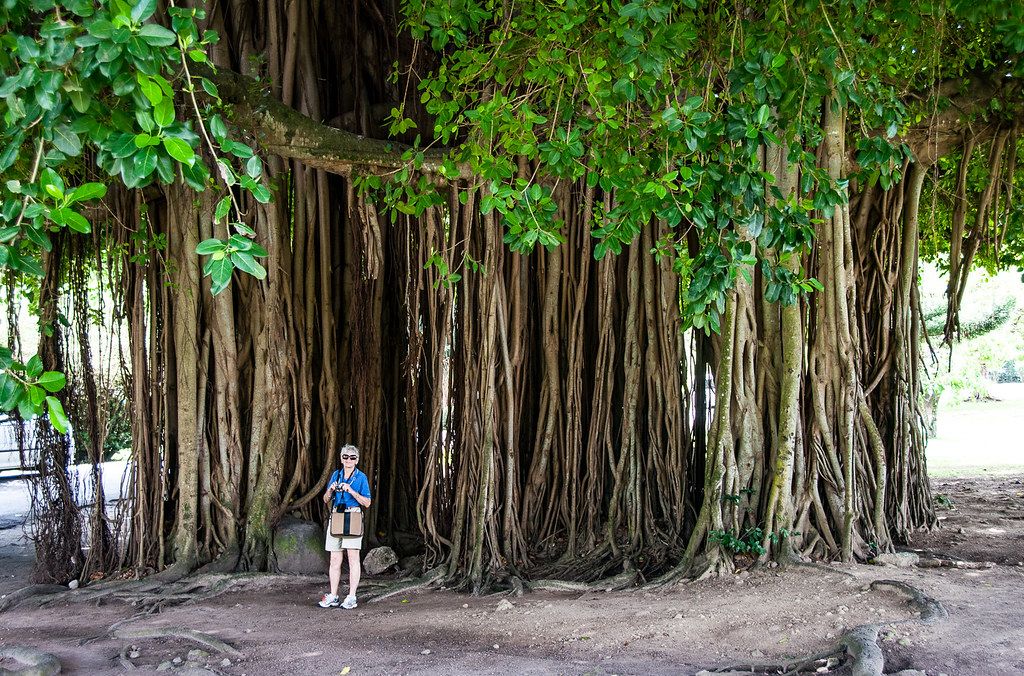
Banyan Aerial Roots: Nature’s Amazing Support System
Banyan trees are famous for their huge canopies, strong trunks, and unusual root systems. One of their most interesting features is banyan aerial roots. These roots grow from branches and move downward toward the ground. When they reach the soil, they can develop into strong supporting structures that look like additional tree trunks. This special growth habit allows a banyan tree to spread over a large area.
Banyan aerial roots are more than just a fascinating natural feature. They help the tree support heavy branches and improve stability. Over time, a single banyan can appear like a small forest because its aerial roots become trunk-like structures. Understanding how these roots develop can help gardeners, students, and nature lovers appreciate the remarkable survival strategy of banyan trees.
What Are Banyan Aerial Roots?
Banyan aerial roots are roots that develop from the branches or stems of a banyan tree instead of growing directly from the ground. At first, they appear as thin, flexible roots hanging down from the branches. They grow toward the soil because gravity guides their downward development.
When an aerial root reaches suitable soil, it can become thicker and stronger. The root then functions much like a normal root and may eventually develop a trunk-like appearance. Many aerial roots growing from different branches can create a complex network of supporting columns beneath the tree.
This feature is especially common in mature banyan trees. A large tree may have hundreds of aerial roots hanging from its branches, although only some successfully reach the ground and become established.
How Do Banyan Aerial Roots Grow?
The growth process begins high in the tree’s canopy. Moisture, humidity, and suitable environmental conditions can encourage roots to develop from branches. Young roots usually look thin and rope-like.
As they grow longer, gravity pulls them downward. In humid conditions, they may continue growing toward the ground. Once they reach the soil, they can absorb water and nutrients while becoming thicker and stronger.
The speed of growth depends on factors such as moisture, temperature, soil conditions, sunlight, and the health of the tree. Roots growing in favorable conditions generally have a better chance of becoming established.
Why Do Banyan Trees Have Aerial Roots?
The main purpose of banyan aerial roots is structural support. Banyan trees can develop extremely wide crowns with large and heavy branches. A single central trunk may eventually struggle to support such a massive canopy.
Aerial roots solve this problem naturally. When roots reach the ground, they form additional support points. These supports allow branches to extend farther outward without placing all the weight on the original trunk.
This growth strategy also allows the banyan to occupy more space. Instead of remaining dependent on one trunk, the tree can create a network of trunks and roots across a large area.
Aerial Roots and Tree Stability
Tree stability is one of the most important benefits of aerial roots. Large branches can become very heavy as they grow. Strong aerial roots provide additional support underneath these branches.
The roots can also help distribute the weight of the canopy. This reduces the amount of stress placed on certain parts of the original trunk.
In mature banyans, the result can be impressive. The tree may develop many trunk-like supports, making the entire structure look like a collection of connected trees. However, these structures are actually parts of one interconnected plant.
What Happens When Aerial Roots Reach the Ground?
When a banyan aerial root reaches the ground, its growth can change significantly. Instead of remaining a thin hanging root, it may become thicker and more woody.
The root begins functioning as a connection between the branch and the soil. It can take up water and minerals while providing physical support.
Over many years, established aerial roots can become large columns. Some may eventually look almost identical to the main trunk. This transformation is one reason banyan trees can become enormous.
The exact appearance varies depending on the tree’s age, growing conditions, and location.
Do Aerial Roots Become New Trunks?
Yes, established banyan aerial roots can become trunk-like structures. This is one of the most remarkable characteristics of the banyan tree.
However, they are not separate trees in the usual sense. They originate from the existing tree and remain part of its overall structure.
As a root becomes thicker and woody, it can provide significant mechanical support. New branches may continue growing above it, creating another section of the canopy.
This process can repeat many times. As a result, a mature banyan can spread across a surprisingly large area.
Banyan Aerial Roots in Natural Habitats
Banyan trees naturally grow in warm regions, especially tropical and subtropical environments. High humidity can provide favorable conditions for aerial root development.
In forests and open landscapes, these roots help banyans adapt to their surroundings. Their ability to develop additional supports allows them to expand their canopy and compete for sunlight.
A mature banyan can create shade over a large area. Its branches and roots also provide habitat and shelter for many organisms, including birds, insects, reptiles, and small animals.
The aerial roots therefore contribute not only to the tree’s survival but also to the surrounding ecosystem.
The Role of Moisture in Aerial Root Growth
Moisture plays an important role in the development of banyan aerial roots. Young roots need adequate humidity to remain healthy while they are suspended in the air.
Dry conditions can slow their development. In contrast, warm and humid environments can encourage root growth.
Once an aerial root reaches the ground, access to soil moisture becomes much more reliable. It can then grow thicker and stronger.
This explains why banyans are particularly successful in tropical environments. Their natural growth pattern works well where humidity and soil moisture are available.
Can Banyan Aerial Roots Be Grown at Home?
Growing a banyan with impressive aerial roots is possible in suitable conditions, but it requires patience. Some banyan species are grown as ornamental plants or bonsai.
For aerial roots to develop successfully, the plant needs appropriate warmth, moisture, humidity, and growing conditions. Indoor plants may need extra humidity compared with trees growing naturally outdoors.
Gardeners should also provide enough space because banyan roots and branches can become vigorous. Planting a banyan too close to buildings, walls, or underground utilities can create problems as the tree matures.
For small spaces, bonsai cultivation can provide a more manageable way to enjoy the distinctive appearance of banyan roots.
Benefits of Banyan Aerial Roots
Banyan aerial roots provide several important benefits:
- They support large branches.
- They improve overall tree stability.
- They help the tree spread across a wider area.
- They can absorb water and nutrients after reaching soil.
- They allow branches to develop additional support.
- They contribute to the unique appearance of banyan trees.
- They create habitats for various organisms.
- They help mature trees survive and expand.
Together, these functions make aerial roots an important part of the banyan’s growth strategy.
Interesting Facts About Banyan Aerial Roots
Banyan aerial roots have several fascinating characteristics. Young roots may hang from branches for long periods before reaching the ground. Once established, some can become thick and woody.
A mature banyan may have a remarkable number of supporting roots. This can make it difficult to identify the original trunk from the later supporting structures.
Some large banyans occupy huge areas because their branches continue producing roots. Their growth demonstrates how plants can change their physical structure to solve problems related to size and weight.
The banyan is therefore an excellent example of adaptation in the plant world.
Caring for Banyan Trees
Banyan trees generally prefer warm conditions and well-drained soil. Young plants need regular moisture, especially during active growth.
If you grow a banyan in a container, choose a suitable pot and provide enough room for healthy root development. Regular pruning may be necessary when growing the plant indoors or as a bonsai.
Outdoor banyans should be planted carefully because mature trees can become very large. Keep sufficient distance from buildings, pathways, pipes, and other structures.
Good sunlight, suitable soil, adequate water, and proper space can help maintain a healthy banyan.
Conclusion
Banyan aerial roots are one of the most fascinating features of these remarkable trees. They begin as roots growing from branches and gradually move toward the ground. Once established in soil, they can become strong, woody supports that resemble additional trunks.
These roots help banyan trees carry large canopies, improve stability, and expand across wide areas. They also provide ecological value by creating shelter and habitat for other organisms. Whether observed in a natural forest, a public garden, or a carefully grown bonsai, banyan aerial roots offer a clear example of how plants adapt to their environment.
Understanding these roots makes the banyan even more fascinating. What may first look like hanging branches are actually part of an ingenious natural support system that allows one tree to become remarkably large and long-lived.